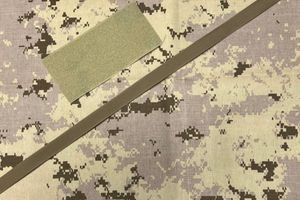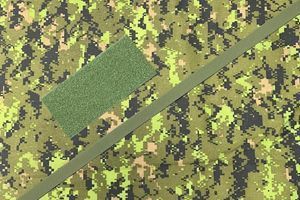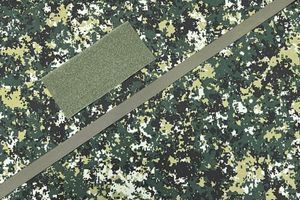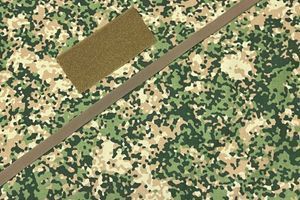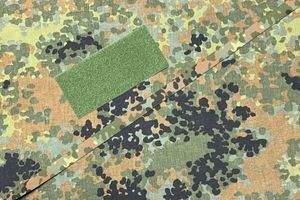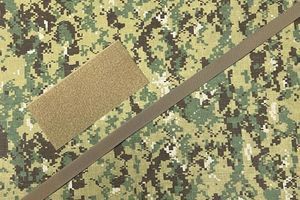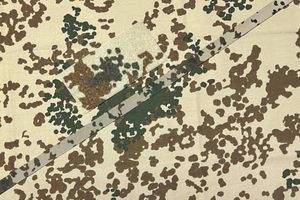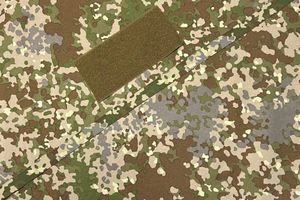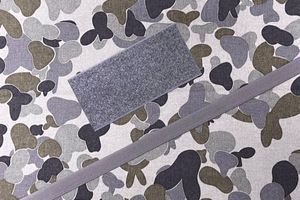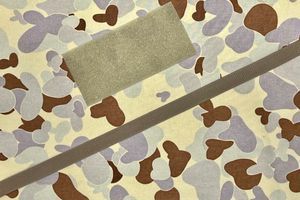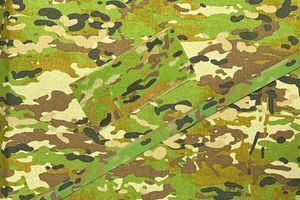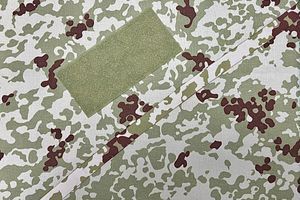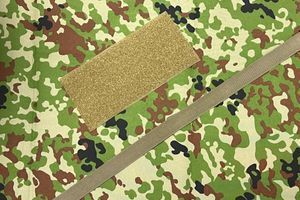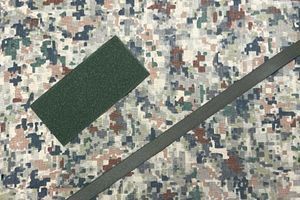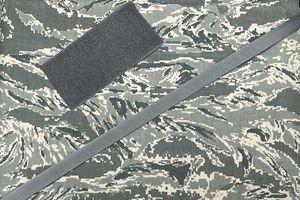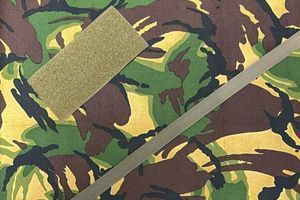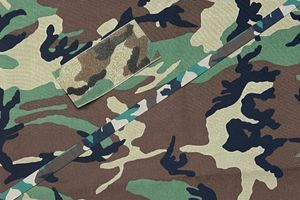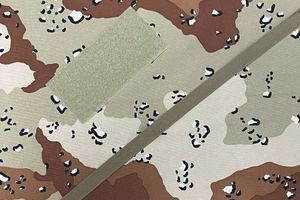
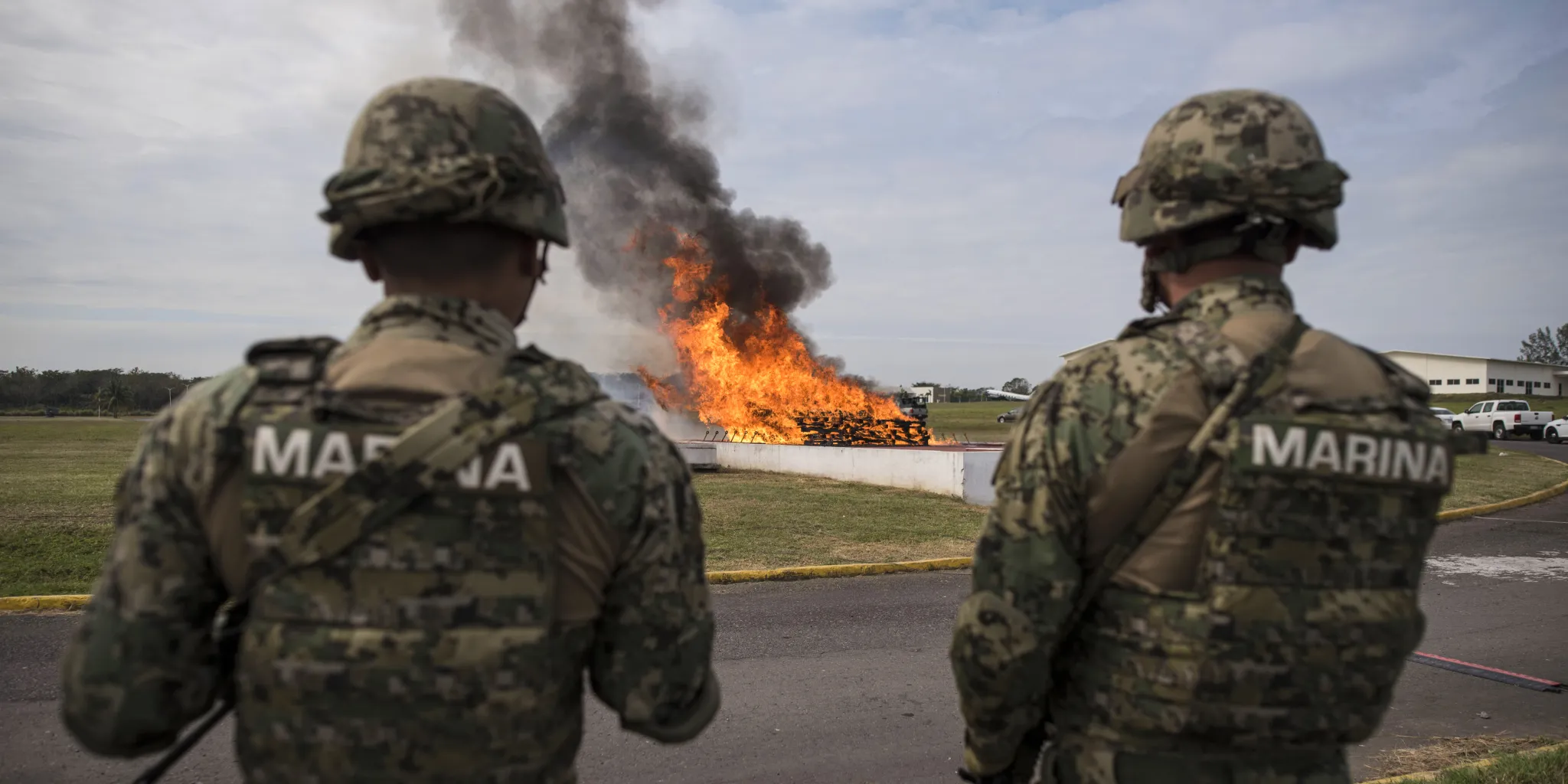
US4CES is an advanced camouflage system developed by the American company HyperStealth Biotechnology for the U.S. Army’s camouflage competition. It was designed using the latest research in concealment technology and offers excellent effectiveness in various natural and urban environments.
Concept and Development
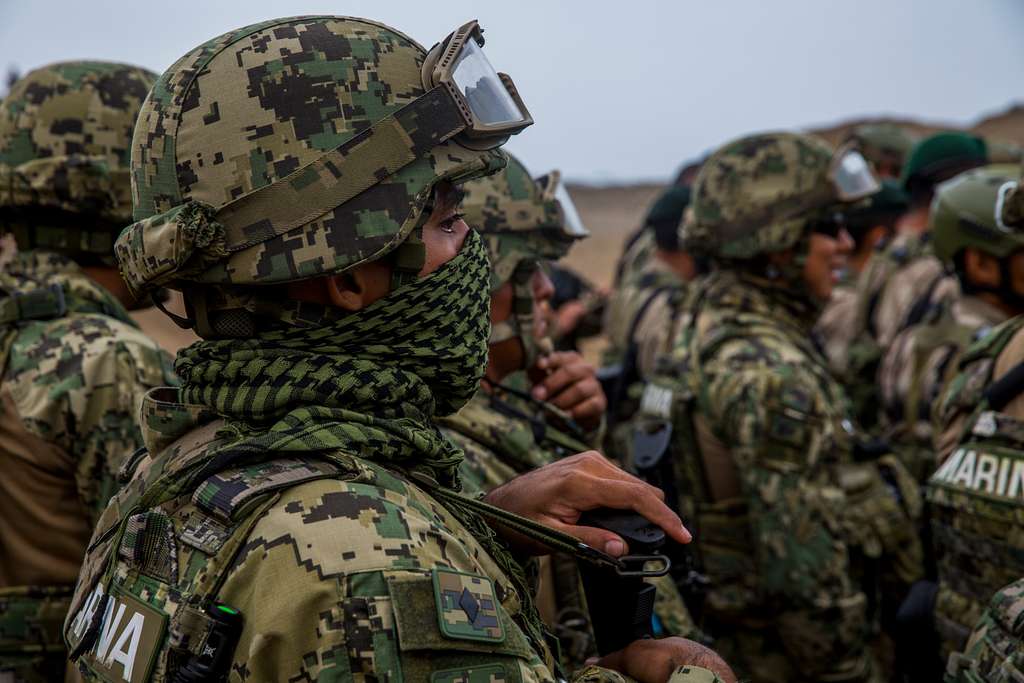
US4CES is a digital fractal camouflage pattern that utilizes a pixelated design to blur a soldier’s silhouette and make detection more difficult at different distances. Its design is based on the principles of adaptability and optical illusion, allowing soldiers to blend effectively with their surroundings.
A key feature of US4CES is the use of both micro and macro elements in the pattern. This ensures effectiveness at both close and long-range distances, reducing the visibility of soldiers during various combat operations.

Camouflage Variants
The US4CES system includes multiple color variations, each optimized for specific environments:
• US4CES Transitional – a versatile option designed for mixed landscapes, such as woodland and urban areas.
• US4CES Arid – a desert variant effective in arid regions with sandy and rocky surfaces.
• US4CES Woodland – designed for dense vegetation and forested environments.
• US4CES Snow – a pattern optimized for snowy and winter conditions.
Technological Features
One of US4CES’s key advantages is its adaptation to modern detection technologies. The camouflage is designed to reduce visibility not only in the visible spectrum but also in the near-infrared (NIR) range, making it harder to detect with night vision devices.
US4CES also incorporates the principle of “optical disruption,” making it more difficult for the human eye to determine the shape and size of a camouflaged object. This provides soldiers with a significant advantage on the modern battlefield.
Competition Participation and Further Development
US4CES was one of the finalists in the U.S. Army’s camouflage competition, but ultimately, the Army selected the Scorpion W2 system. Despite this, US4CES continues to be used in research and commercial projects and has gained recognition among tactical units and the civilian market.