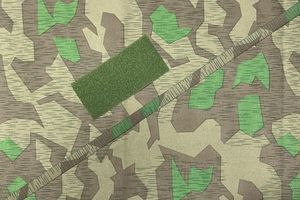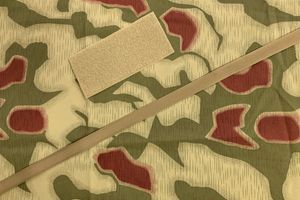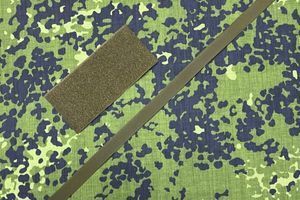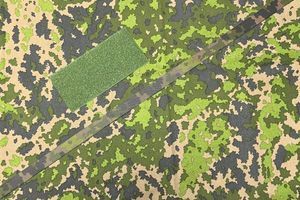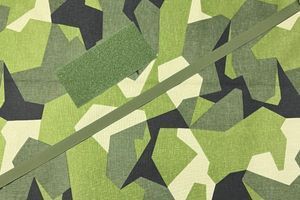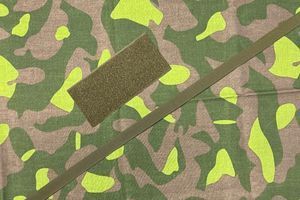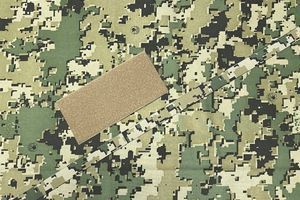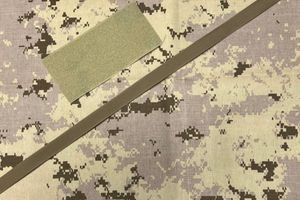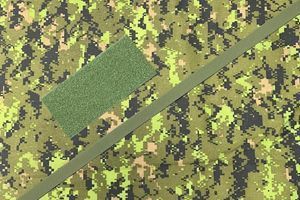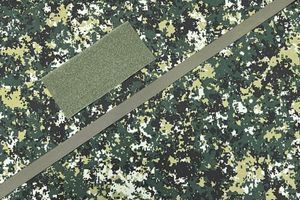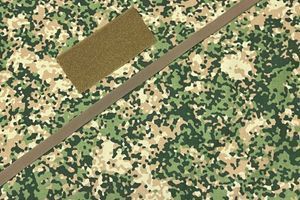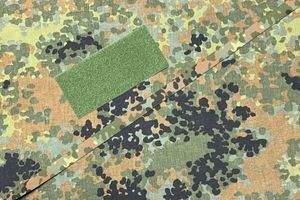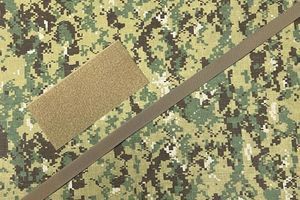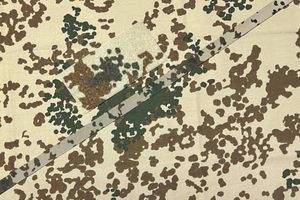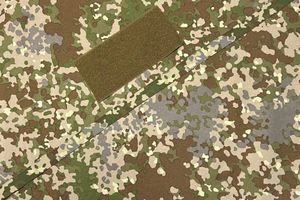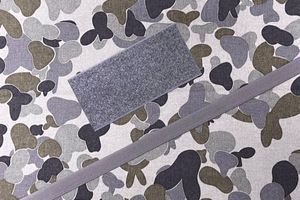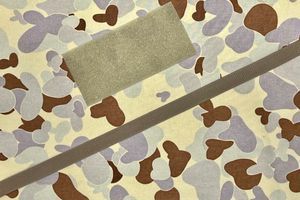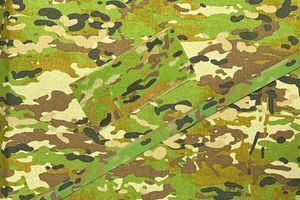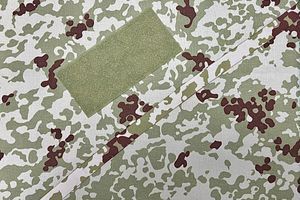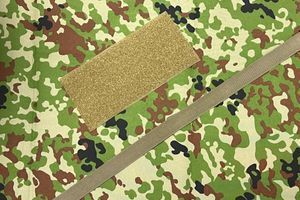

The DPM (Disruptive Pattern Material) camouflage, which became the standard for the British Army, is one of the most recognizable military patterns in the world. It has served as a symbol of British military identity for decades, leaving its mark on numerous conflicts. The concept behind this camouflage was to combine effective concealment with high functionality in various environments. Here’s the story behind the creation, use, and impact of this iconic pattern.
Development and History
The idea of developing the DPM camouflage stemmed from the need for an effective pattern that could adapt to a variety of natural environments. Its creation began in the late 1960s as a result of collaboration between the British Ministry of Defence and other military bodies. At the time, the British Army was using either solid khaki-colored uniforms or pixelated camouflage, but these did not perform well across the different landscapes in which British forces operated.
In 1968, research began to develop a new, more versatile pattern. The main objective was to blend colors that would work effectively in woodland, open terrain, and other natural landscapes found in the UK military’s operational areas. By 1969, the first prototype of DPM was presented, and by 1976, it was officially adopted by the British Army.
Design and Features
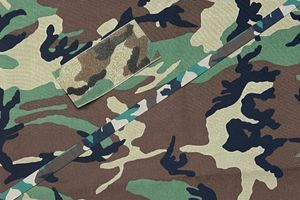
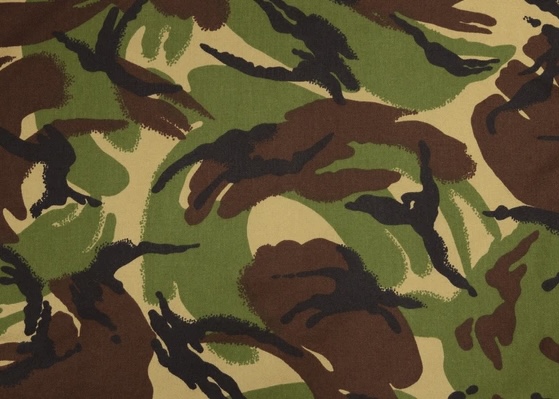
DPM features a complex design that combines multiple colors to achieve excellent camouflage in various natural environments. The pattern consists of several shades of green, brown, and black, providing unparalleled ability to blend in with the surrounding landscape. The typical design includes:
• Dark green shades to mimic foliage and forest vegetation.
• Brown and olive tones to help blend in with trees and shrubs.
• Black blotches that add contrast, making the figure less distinguishable in dark, shaded areas.
This combination of colors enables soldiers to blend in effectively across a wide range of environments—ranging from forests to open fields, and even urban landscapes. The goal of the DPM pattern was to create a camouflage that could work in the most diverse terrains.
Combat Use
DPM became the standard for the British Army, but its success led to widespread adoption beyond the UK. Many countries, particularly those in the British Commonwealth, began using variations of DPM in the 1980s and 1990s. It was deployed during several key military operations, including the Falklands War, Iraq, and Afghanistan.
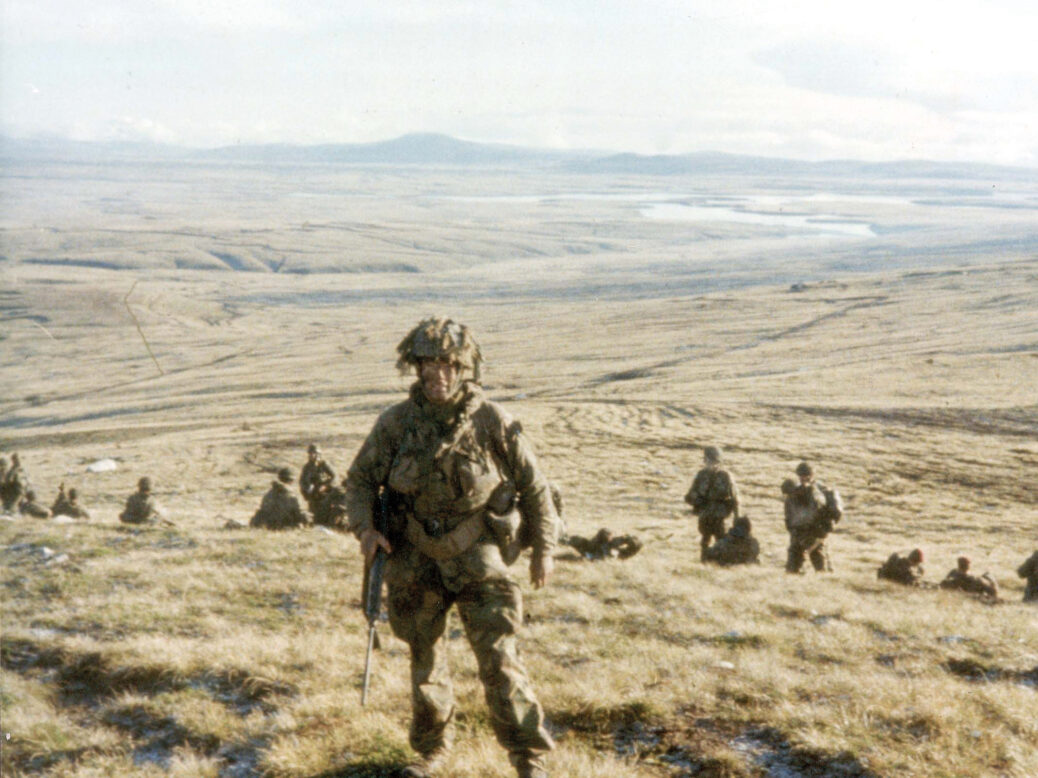
During the Falklands War in 1982, DPM faced its first real combat test in harsh conditions. British troops encountered cold, windy, and rainy weather, but the DPM camouflage proved highly effective in concealing soldiers during battles in the islands’ mountainous and open landscapes. The pattern not only provided effective concealment but was also practical and comfortable to wear.
Over the years, DPM was used extensively in various regions of the world, including the Middle East and the Balkans, becoming an integral part of the British military’s and their allies’ gear.

Spread and Variants
Although initially designed for the British Army, DPM’s success led many other nations to adopt similar versions. It became widely used in countries within the British Commonwealth, such as Canada, Australia, and New Zealand. It also saw adoption in several African nations, including Namibia and Zimbabwe, which modified the pattern to suit their specific needs.
Interestingly, even countries with no direct ties to the UK often used the DPM camouflage. Military forces in nations like South Sudan, Syria, and Libya adopted variations of DPM for their own forces, adapting it to the local environments.


Cultural Impact
DPM has become more than just a military pattern; it has also become a cultural phenomenon. Like many military camouflage patterns, it gained popularity in fashion and popular culture. Starting in the 1990s, many youth-oriented brands began incorporating elements of DPM into their collections, especially for jackets, pants, backpacks, and accessories. The camouflage pattern appeared on catwalks and in streetwear, transforming it into both a stylish and practical element of clothing.
Additionally, DPM has featured prominently in films and video games. It is frequently seen in military movies such as “Special Forces” and “The Falklands War”. In video games like Call of Duty and Medal of Honor, DPM is used to create realistic models of British soldiers, reflecting its important role in late 20th-century conflicts.
Replacement of DPM
Despite its widespread popularity and versatility, DPM eventually began to be phased out in favor of newer camouflage patterns. One such replacement was the MTP (Multi-Terrain Pattern), which was introduced in 2010 to replace the traditional DPM in the British Army. The new pattern offered better adaptability to various environments, such as mountainous terrains and tropical forests, where DPM could no longer provide the same level of effectiveness.
However, DPM remains an important part of military heritage and is considered one of the most iconic camouflage patterns in the world.
DPM:
MTP: