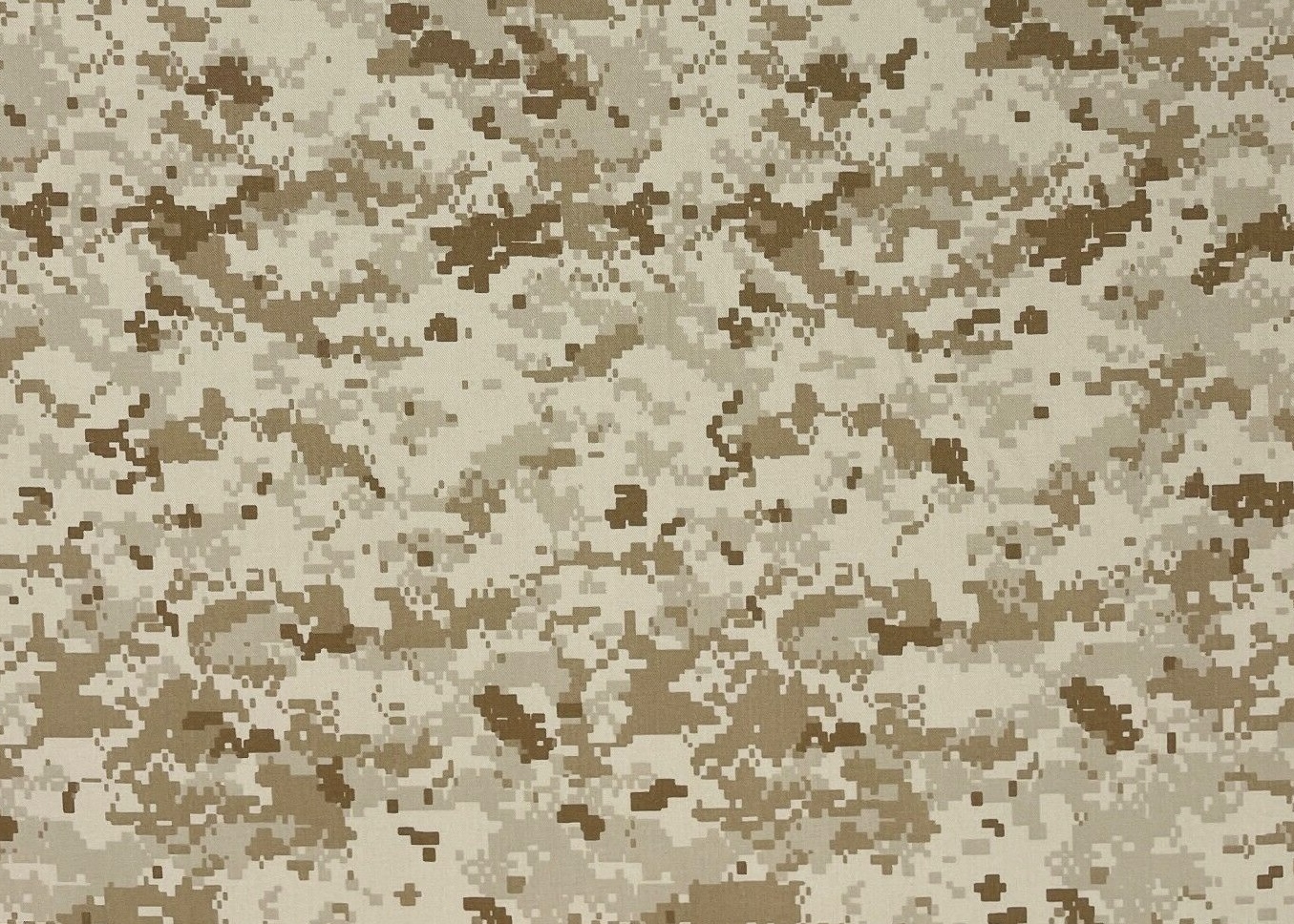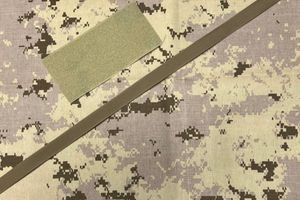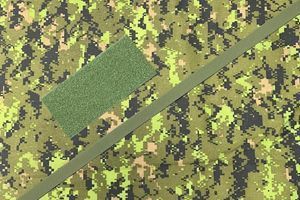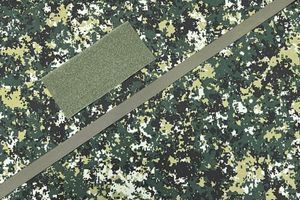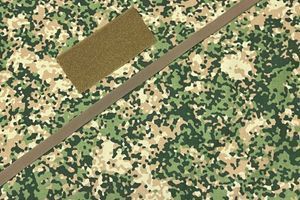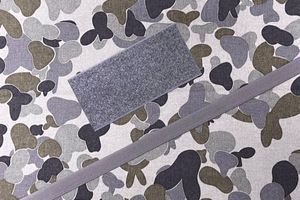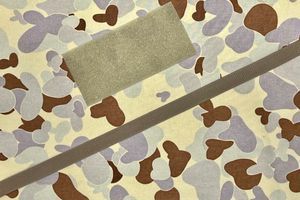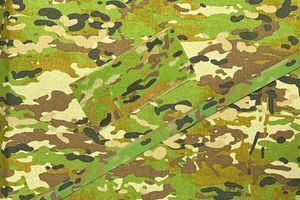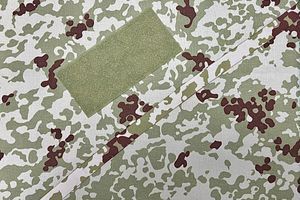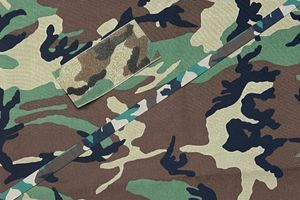

Chocolate Chip camouflage, also known as Six-Color Desert, is one of the most recognizable desert camouflage patterns. It stands out with its distinctive beige and brown shades, complemented by black speckles resembling chocolate chips. Originally developed for U.S. military operations in arid regions, it later gained global recognition. How was it created, why was it replaced, and what impact did it have on culture? Let’s explore.
Development and Adoption
In the 1960s, the U.S. military began considering a dedicated desert camouflage pattern. Until then, American soldiers operating in the Middle East and North Africa had to rely on plain khaki uniforms or adapted woodland camouflage.
The development of Six-Color Desert started in the late 1960s, with military researchers studying the natural landscapes of desert environments. Initial field tests took place in U.S. deserts, but mass production didn’t begin until 1981, when the pattern was officially adopted.
Design and Features
Chocolate Chip camouflage features a unique color combination:
• Two light sand tones forming the base.
• Three shades of brown to add texture and mimic desert terrain.
• Black “speckles” that resemble small rocks or their shadows, making soldiers harder to spot in rocky desert landscapes.
The inclusion of black spots was revolutionary, as they simulated the appearance of pebbles and their shadows under the desert sun. While this effect worked well in rocky terrain, it was less effective in uniform sandy environments.

Use in Wars and Conflicts
Although development began in the 1960s, Chocolate Chip gained widespread recognition during Operation Desert Storm (1990-1991), when U.S. forces wore it extensively in Saudi Arabia, Kuwait, and Iraq. Photographs of American soldiers in this camouflage became symbolic of the Gulf War.
However, combat experience revealed a flaw—in vast sandy areas, the black speckles stood out too much, reducing its effectiveness. As a result, the U.S. military developed a new, more adaptive design—the three-color Desert Camouflage Uniform (DCU), which gradually replaced Chocolate Chip in the mid-1990s.


Adoption by Other Countries
Chocolate Chip was not exclusive to the U.S. military; many other nations adopted or replicated it:
• Allied forces: The U.S. supplied this pattern to allies, including Saudi Arabia, Egypt, Pakistan, Iraq, and others.
• Independent adaptations: Some countries produced their own versions, tailoring them to specific needs. For example, China and several African nations created similar patterns for their military forces.


Influence on Culture and Pop Culture
Chocolate Chip became more than just camouflage, but part of the military aesthetic of the 90s, firmly entrenched in pop culture, seen in films such as Jarhead (2005), Three Kings (1999), and documentaries about the Gulf War.


Why Was Chocolate Chip Phased Out?
Despite its popularity, Chocolate Chip had several drawbacks that led to its retirement:
• Limited effectiveness – The black speckles were too prominent in sandy environments.
• Shift to more versatile camouflage – The U.S. military introduced more adaptive designs, such as the three-color DCU and later MARPAT (digital camouflage for the Marine Corps).
• Changes in military strategy – Modern warfare required camo patterns that worked across multiple environments, leading to the adoption of more flexible, multi-terrain camouflage.
DCU:

MARPAT Desert: