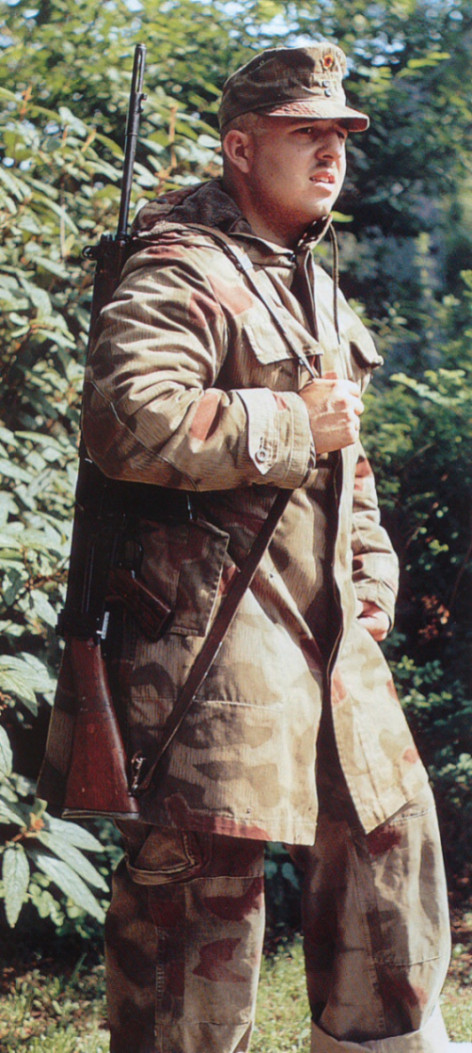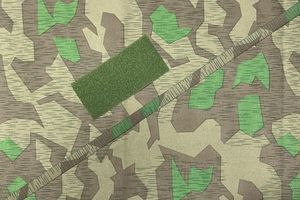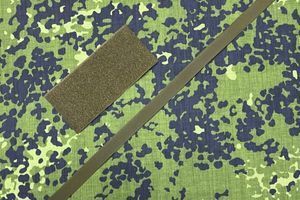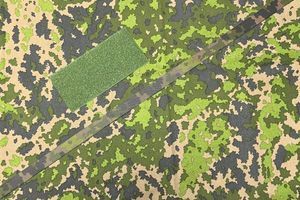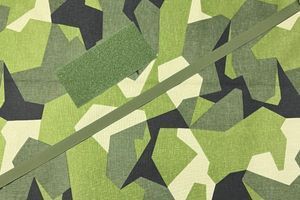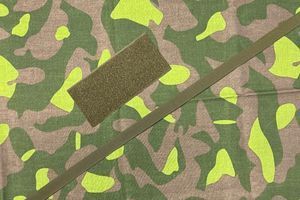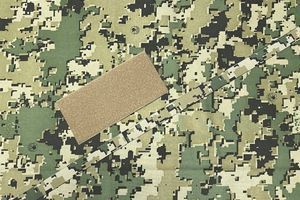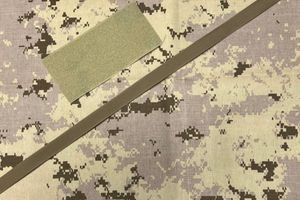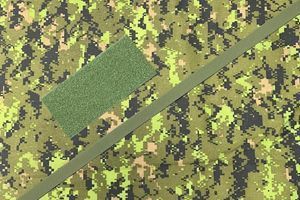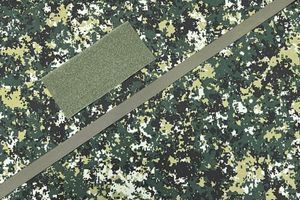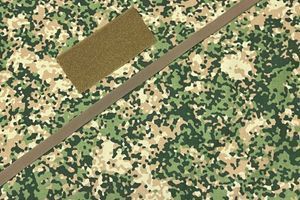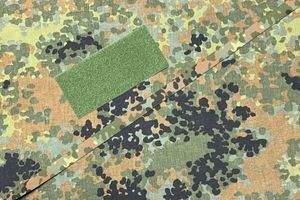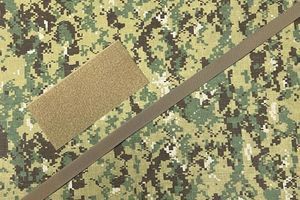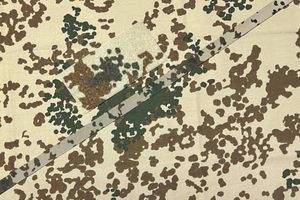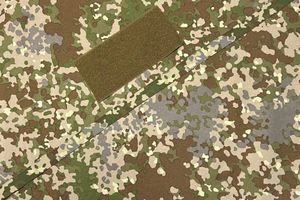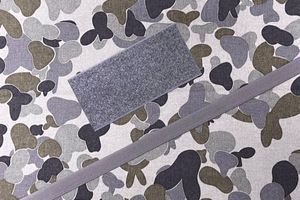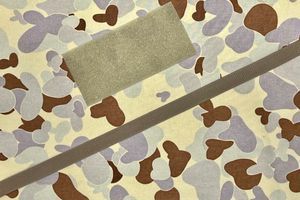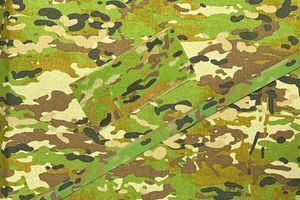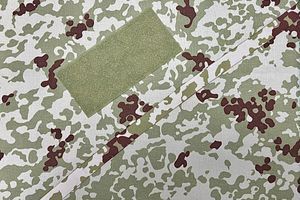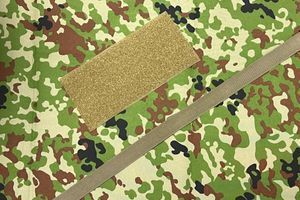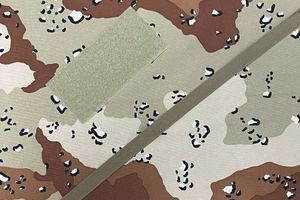
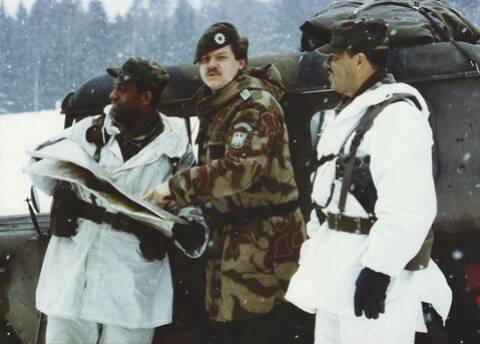
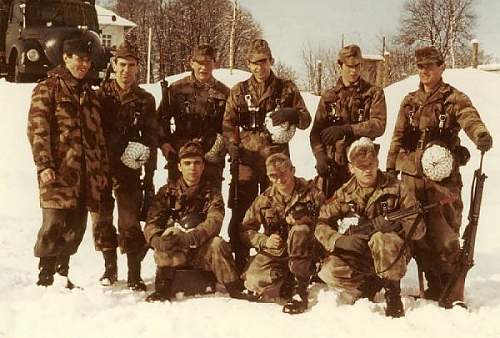
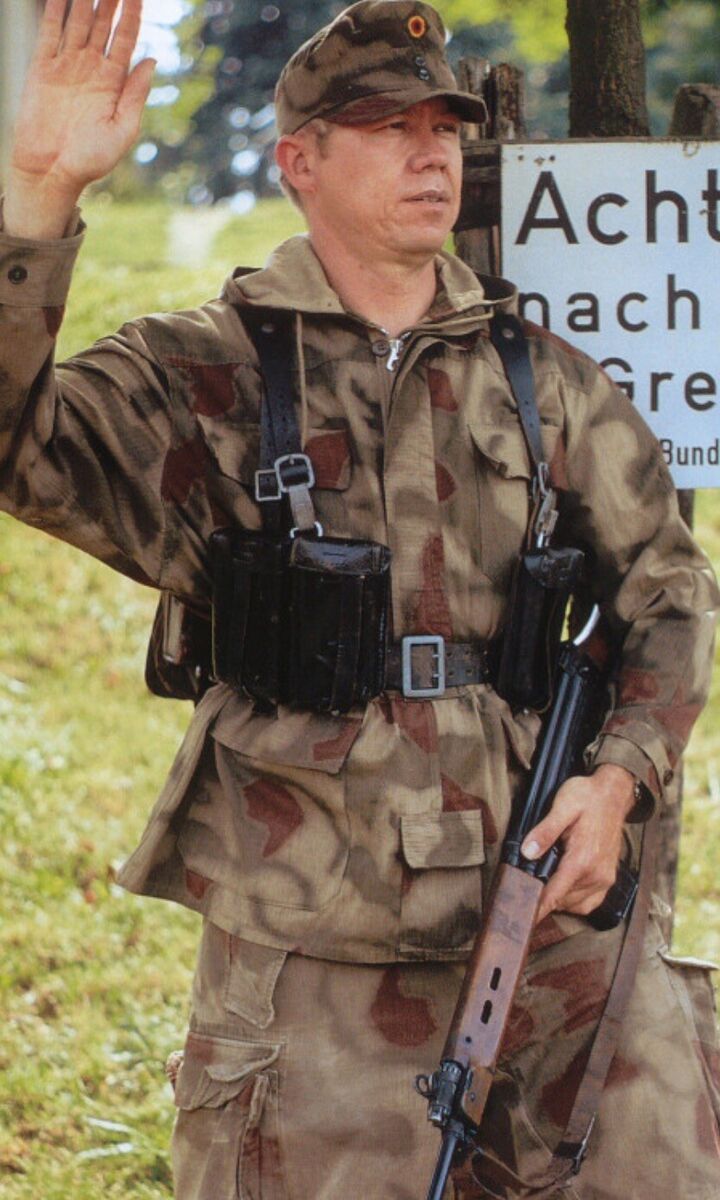
The BGS-Tarnmuster, or simply BGS, was developed in the 1950s for the Bundesgrenzschutz (BGS) – the Federal Border Guard of West Germany. It was one of the first camouflage patterns used in West Germany after World War II. Although it had a relatively short service life, this pattern played an important role in the evolution of German camouflage, acting as a transitional design between the traditional Wehrmacht patterns and the modern Flecktarn.
Origin and Development
After World War II, West Germany faced the challenge of establishing new security forces, particularly the BGS, which was tasked with protecting the border of the Federal Republic of Germany (FRG) against potential threats from the Eastern Bloc.
Since most German wartime camouflage patterns (such as Splinter and Leibermuster) were banned due to their association with the Nazi regime, the West German government initiated the development of a new, distinctive camouflage pattern. This led to the introduction of BGS-Tarnmuster in 1952, which was used exclusively by BGS units until the early 1970s.
Design and Features
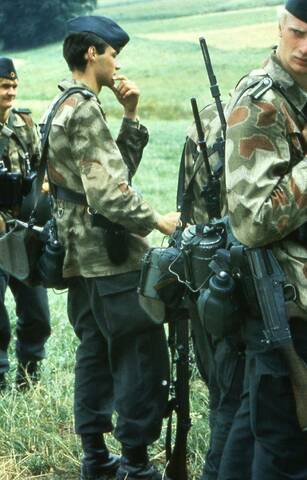
BGS-Tarnmuster was heavily influenced by wartime camouflage designs, particularly the Leibermuster and the amoeba-patterned SS camouflage, but with unique modifications that made it more suitable for use in Central Europe.
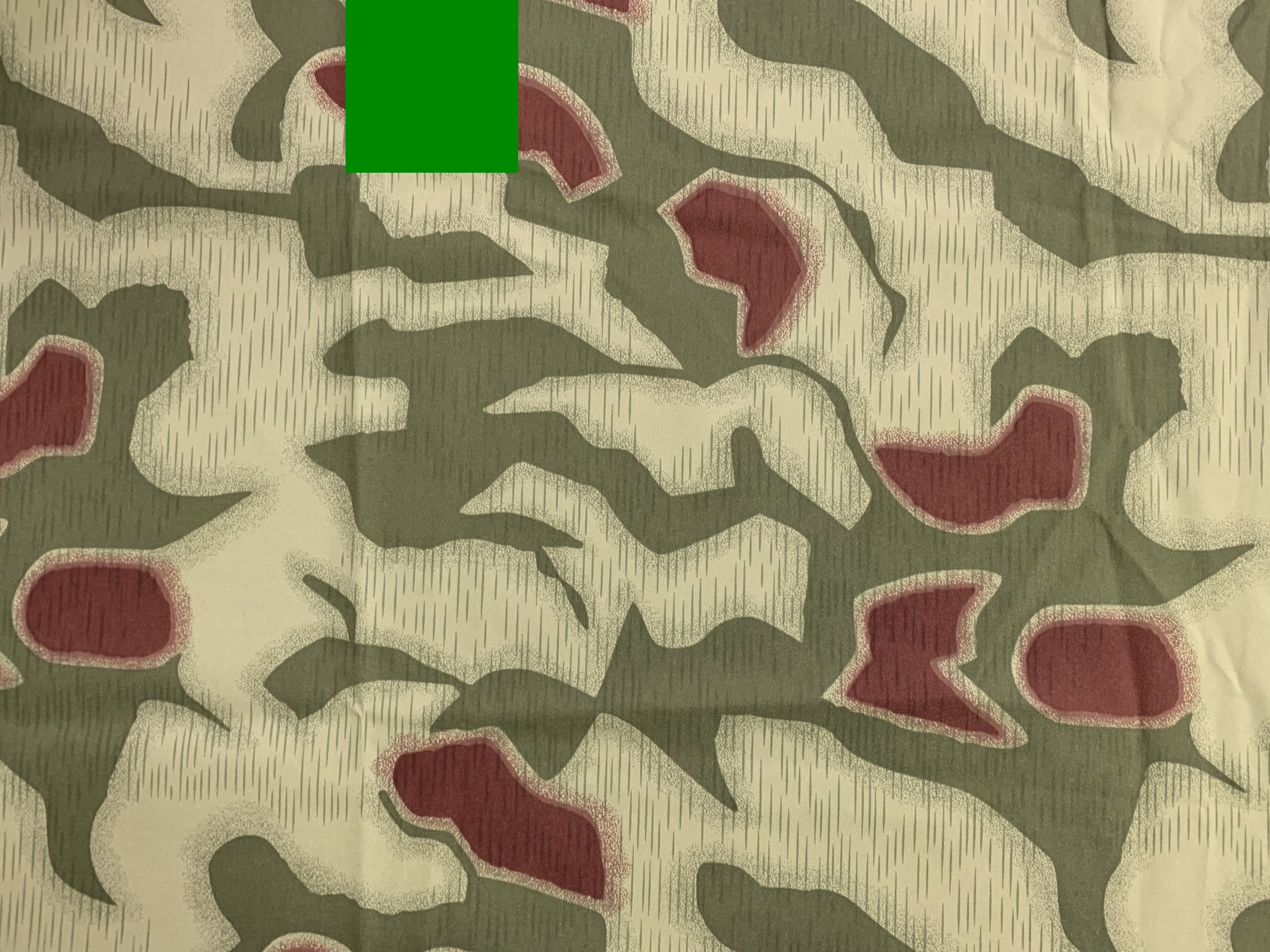
• Color scheme: A combination of dark green, olive, brown, and black on a lighter, gray-green or yellowish-olive background.
• Pattern shape: Unlike the sharp-edged Splinter, BGS featured softer, amoeba-like shapes, which effectively broke up a soldier’s silhouette in forested and mixed terrains.
• Concealment properties: The pattern performed well in dense forests and field environments, particularly during autumn.
• Material: Early versions were made of durable cotton fabric, while later versions incorporated synthetic blends for improved durability.
This camouflage was designed exclusively for use within West Germany, meaning it was not tested in combat conditions. However, its concept influenced later German camouflage developments.
Use by the BGS
The BGS-Tarnmuster was worn by officers and special units of the BGS, who patrolled the borders between West and East Germany. Its primary users included:
• BGS border patrols, operating in dense forests and difficult terrain.
• Specialized units, responsible for combating smuggling and illegal border crossings.
• BGS aviation units, whose helicopter crews and ground teams used the camouflage for operations.
Although the BGS was primarily a security force, camouflage helped in covert movement within border areas, particularly in regions with dense foliage.
Reasons for Replacement and Legacy
By the late 1960s, it became evident that BGS-Tarnmuster was becoming obsolete. The main reasons for its replacement included:
• Political factors: West Germany sought to distance itself from military traditions of the Third Reich, and the resemblance of BGS to some wartime patterns led to unwanted associations.
• Technological advancements: New fabrics and dyeing techniques offered better durability and weather resistance.
• Changing camouflage philosophy: By the 1970s, the BGS transitioned to solid olive uniforms, which remained the standard until the late 20th century.
Although the BGS-Tarnmuster was officially discontinued in the 1970s, it significantly influenced later German camouflage designs. The experience gained from its use contributed to the development of the Flecktarn pattern, which was adopted by the Bundeswehr in the 1990s.
Modern Reproductions and Civilian Use
Although no longer in official service, BGS camouflage remains popular among reenactors, historians, and collectors.
• Reproductions and surplus uniforms are still available in military surplus markets.
• Airsoft and MilSim communities use this pattern for historical recreations.
• Civilian applications: Hunters, outdoor enthusiasts, and even fashion designers have incorporated elements of this camouflage into modern clothing.