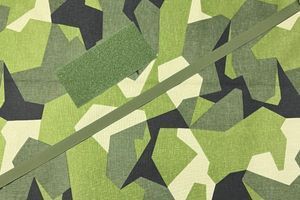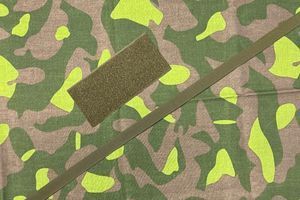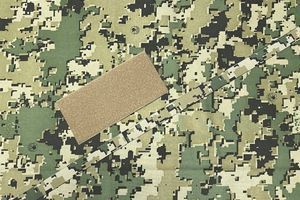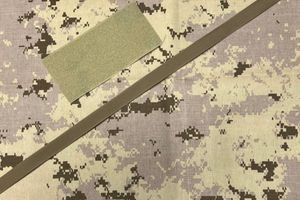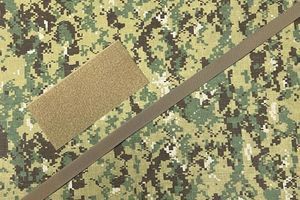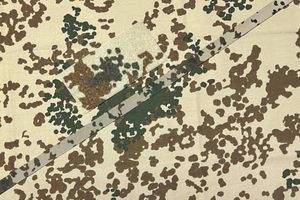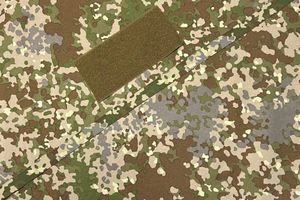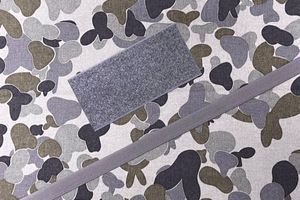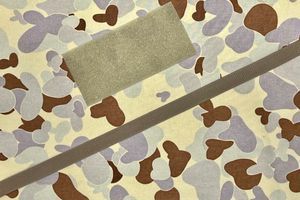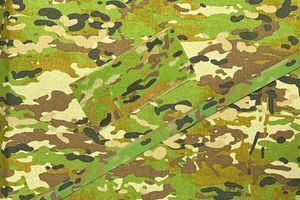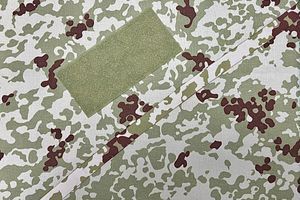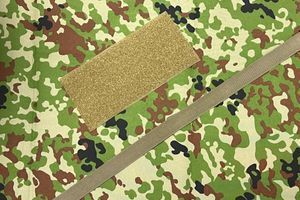

The ABU (Airman Battle Uniform) camouflage represents a significant chapter in the evolution of U.S. Air Force uniforms. Introduced in the early 2000s, this pattern was intended to modernize and standardize the appearance of Air Force personnel, providing a distinct identity separate from the other branches of the U.S. military. Although it faced criticism for its practicality in combat, ABU remains an important piece of Air Force history. Let’s explore its development, design, and eventual replacement.
Development and Adoption
Before the introduction of ABU, U.S. Air Force personnel commonly wore the BDU (Battle Dress Uniform), a woodland-patterned camouflage shared with the Army and Marine Corps. However, in the early 2000s, the Air Force decided to develop a unique pattern that would distinguish its personnel and reflect the evolving needs of modern warfare.
The design process began in 2003, with the first prototypes being unveiled in 2005. Unlike the rugged, field-tested BDUs and DCUs (Desert Combat Uniforms), the ABU aimed to create a more polished, garrison-friendly look while still providing basic camouflage capabilities for non-combat environments.
The ABU officially debuted in 2007, becoming mandatory for all Air Force personnel by 2011. It marked a major shift in uniform policy, focusing more on practicality in day-to-day Air Force operations rather than full combat scenarios.
Design and Features
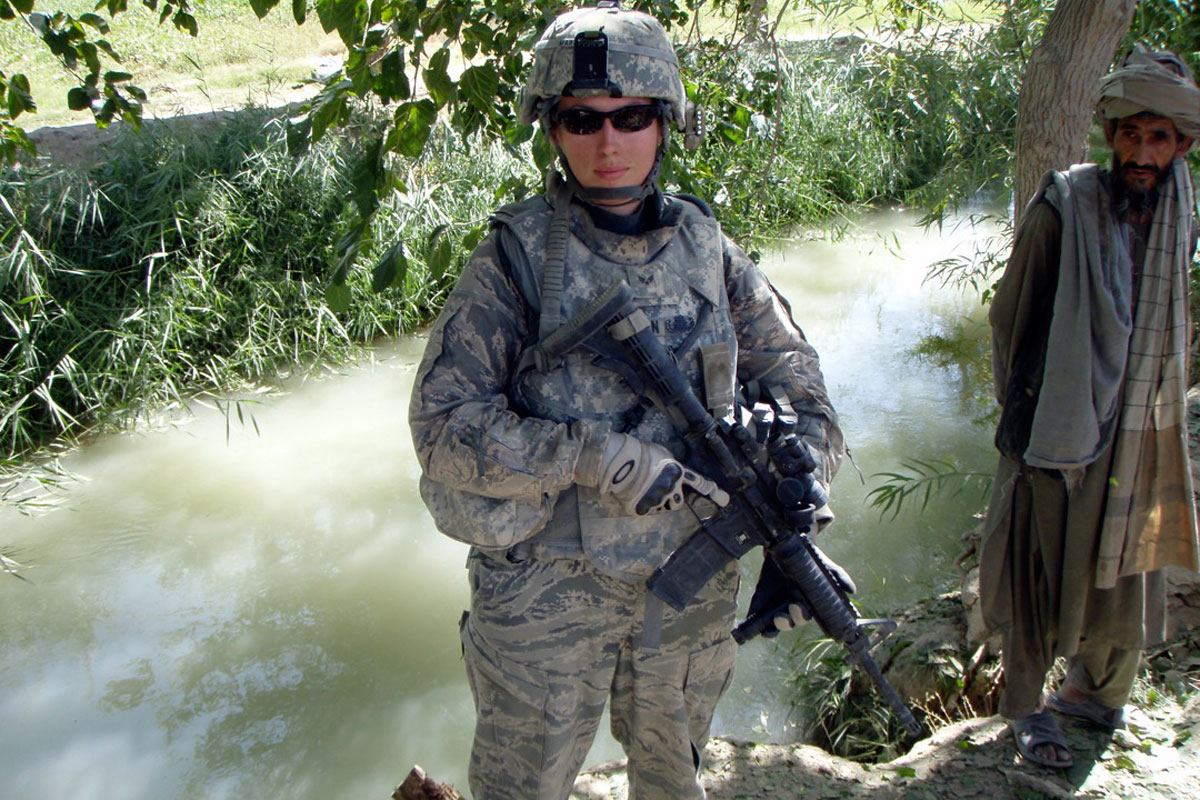
The ABU camouflage pattern is easily recognizable for its distinct tiger-stripe design with subtle color tones. It was based on the old tiger-stripe camouflage used by special forces during the Vietnam War but adapted with new colors for a more modern look. Key design features include:
• Color Palette: The ABU pattern consists of blue-gray and greenish hues mixed with sandy tan shades. Unlike traditional woodland or desert camouflages, it was not optimized for any specific terrain but intended for general-purpose use.
• Digital Influence: While not fully digital like the Army’s ACU (Army Combat Uniform), ABU incorporated elements of pixelation to give it a more modern aesthetic.
• Permanent Press and Wash-and-Wear Fabric: The ABU uniform was designed for easy maintenance, with wrinkle-resistant and stain-resistant fabric. This made it practical for garrison duty, where appearance played a significant role.
• Sage Green Boots and Accessories: One of the most noticeable changes was the switch from black boots to sage green suede boots, along with matching green accessories like belts and caps.

Operational Use and Limitations
While ABU worked well in administrative or non-combat roles, it was quickly criticized for its lack of functionality in actual combat environments. The blue-gray tones made it ineffective in most natural terrains, such as deserts, forests, and mountainous regions.
During operations in Iraq and Afghanistan, it became clear that ABU was poorly suited for the predominantly sandy landscapes. Air Force personnel deployed to combat zones were often issued Army’s MultiCam or Desert Combat Uniforms (DCU) instead of the ABU. This highlighted a critical flaw in the design: the ABU was created more for aesthetics and everyday use rather than practical combat situations.
Despite these shortcomings, ABU remained the standard uniform for several years. It was widely used by Air Force security forces, maintenance crews, and other support units, particularly in domestic and non-deployed settings.

Transition and Replacement
By the mid-2010s, the limitations of the ABU were undeniable. In 2018, the Air Force announced it would transition to the OCP (Operational Camouflage Pattern), the same pattern used by the U.S. Army. OCP offered far superior concealment in various environments, making it a more effective and versatile uniform for both combat and non-combat roles.
The transition was gradual, with ABU being fully phased out by April 2021. While the OCP became the new standard, the ABU remains a nostalgic symbol for those who served in the early 2000s and 2010s.
Перехід на новий стандарт
До середини 2010-х років недоліки ABU стали очевидними. У 2018 році Повітряні сили оголосили про перехід на OCP (Operational Camouflage Pattern) – той самий камуфляж, який використовує армія США. OCP забезпечував набагато кращу маскування в різних умовах, що зробило його більш універсальним і практичним.
Перехід був поступовим, і до квітня 2021 року ABU повністю вивели з ужитку. Хоча новий стандарт став набагато ефективнішим, ABU залишився символом певної епохи в історії Повітряних сил.
OCP:

Cultural Impact and Legacy
Although the ABU was not as well-received as some of its predecessors, it holds an important place in Air Force history. For over a decade, it was the uniform of airmen worldwide, representing a period of modernization and transition.
In popular culture, the ABU did not achieve the same level of fame as other military uniforms, but it has appeared in several military documentaries and films focusing on the U.S. Air Force. Its distinct tiger-stripe pattern and blue-gray color scheme made it stand out, especially when compared to the more conventional camo patterns of other branches.
Additionally, ABU became a recognizable feature in Air Force museums and historical displays, symbolizing the service’s unique identity during the early 21st century