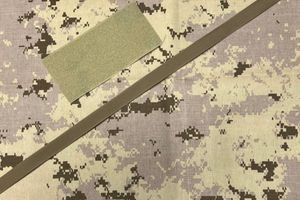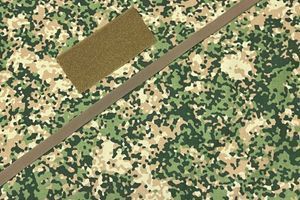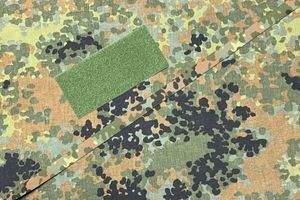

Tropentarn, also known as Wüstenflecktarn, is the desert variant of the Flecktarn camouflage pattern, designed specifically for arid and semi-arid environments. Officially adopted by the Bundeswehr (German Armed Forces) in the late 1990s, Tropentarn has been widely used in missions in the Middle East, Africa, and Central Asia, proving its effectiveness in desert warfare and peacekeeping operations.
Development and History of Tropentarn
The need for a desert camouflage emerged in the 1990s, as Germany started participating in international peacekeeping and military missions in desert regions. The standard Flecktarn pattern, designed for European forests, was unsuitable for sand-covered and rocky terrains.
In response, the Bundeswehr developed Tropentarn, directly based on Flecktarn but with a lighter, sand-colored palette. The camouflage was first tested in desert and savanna regions, leading to its official adoption in 1993.
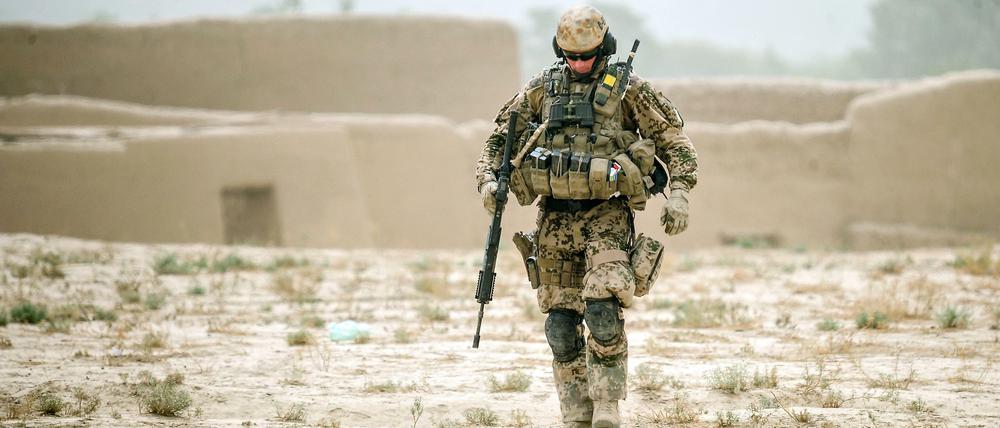
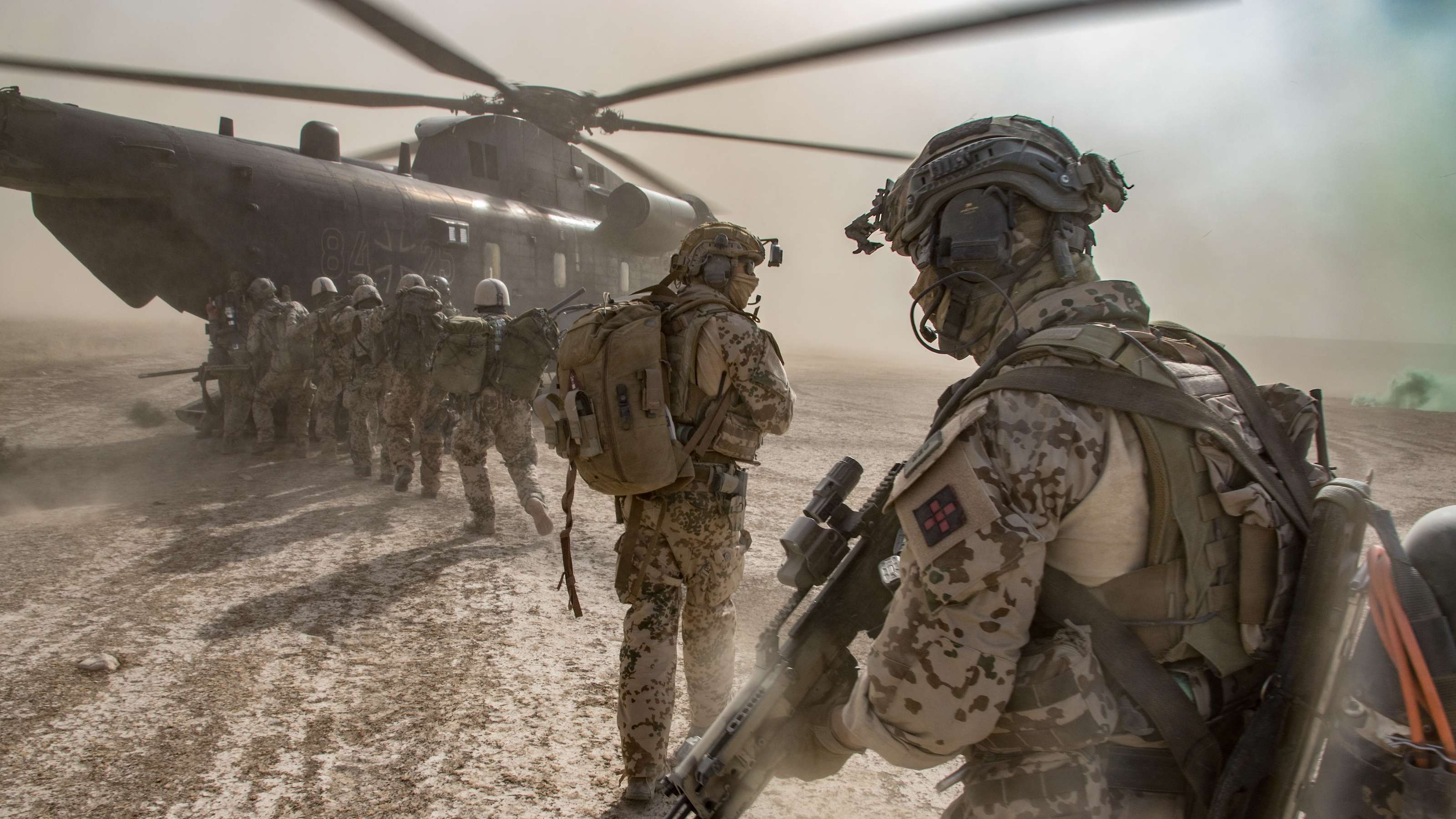
Tropentarn saw its first widespread deployment in Afghanistan during the NATO-led ISAF mission, where German troops needed a highly effective desert camouflage. Since then, it has been the standard issue for Bundeswehr soldiers deployed in arid regions worldwide.
Design and Features of Tropentarn
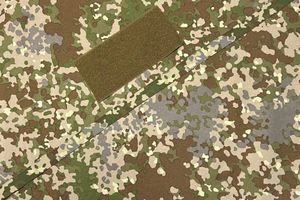
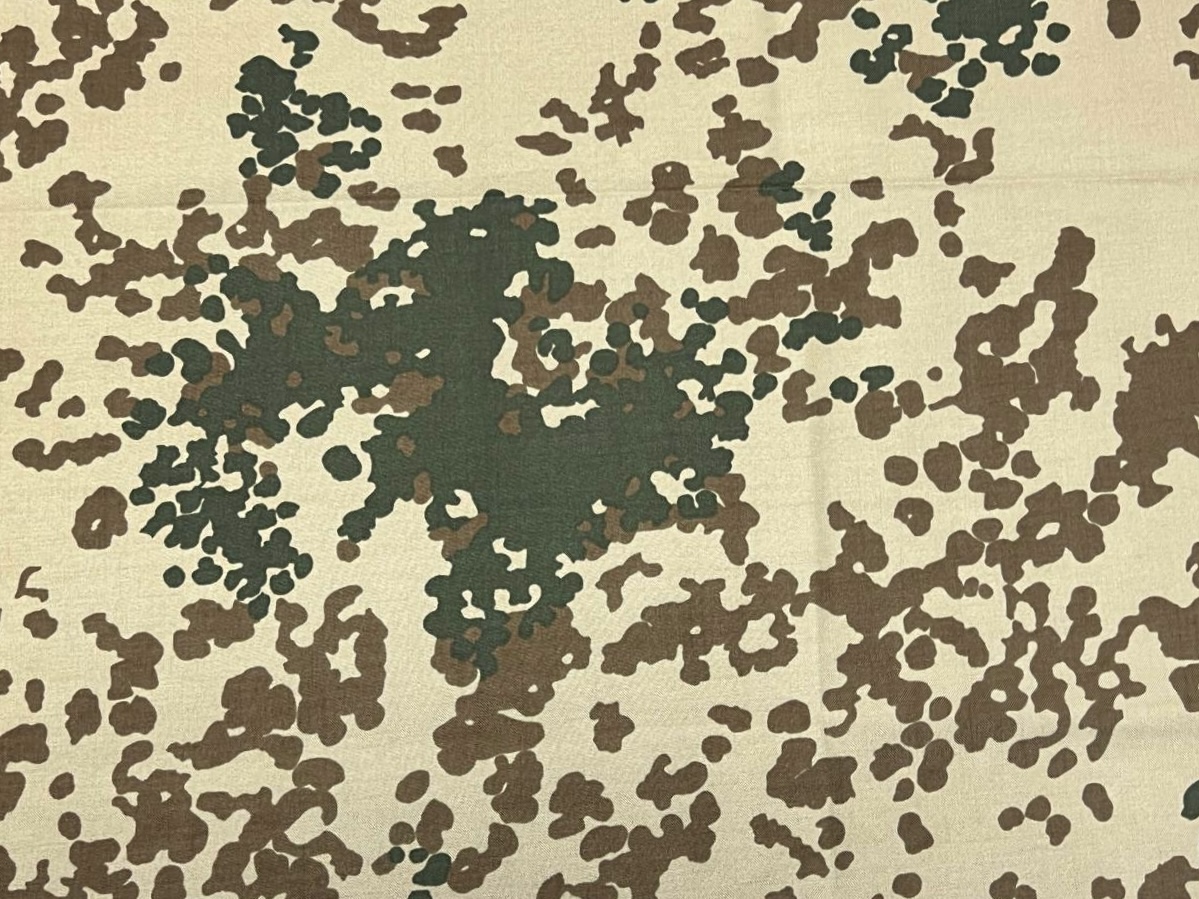
Tropentarn retains the core structure of Flecktarn but with colors optimized for desert and dry environments.
Key Features of Tropentarn:
• Three-color scheme
• Uses sand, light brown, and dark brown instead of the five-color Flecktarn palette.
• Optimized for deserts, rocky landscapes, and dry grasslands.
• Micro-pattern camouflage
• Small irregular spots create a blending effect, breaking up the soldier’s silhouette.
• Effective both at long and short distances.
• Heat-resistant fabric
• Bundeswehr uniforms in Tropentarn are made from lightweight, breathable materials to keep soldiers cool in extreme heat.
• Infrared (IR) concealment
• The fabric and colors are IR-treated, reducing visibility under night vision devices.
Tropentarn in the Bundeswehr
Since its introduction in the 1990s, Tropentarn has been the standard Bundeswehr camouflage for desert environments.
Deployment Regions:
• Afghanistan (ISAF mission, 2002–2021)
• German troops operated in Kunduz and Mazar-i-Sharif, where Tropentarn provided superior concealment in rocky and dusty terrain.
• Mali (UN peacekeeping missions, 2013–present)
• Used by Bundeswehr units in Operation MINUSMA, where Tropentarn blends well with the Sahel’s arid environment.
• Iraq and Syria
• Deployed with German advisory forces assisting Kurdish and Iraqi troops.
• Other African and Middle Eastern operations
• Tropentarn is used in training missions and peacekeeping operations in arid climates.
Uniforms and Gear in Tropentarn
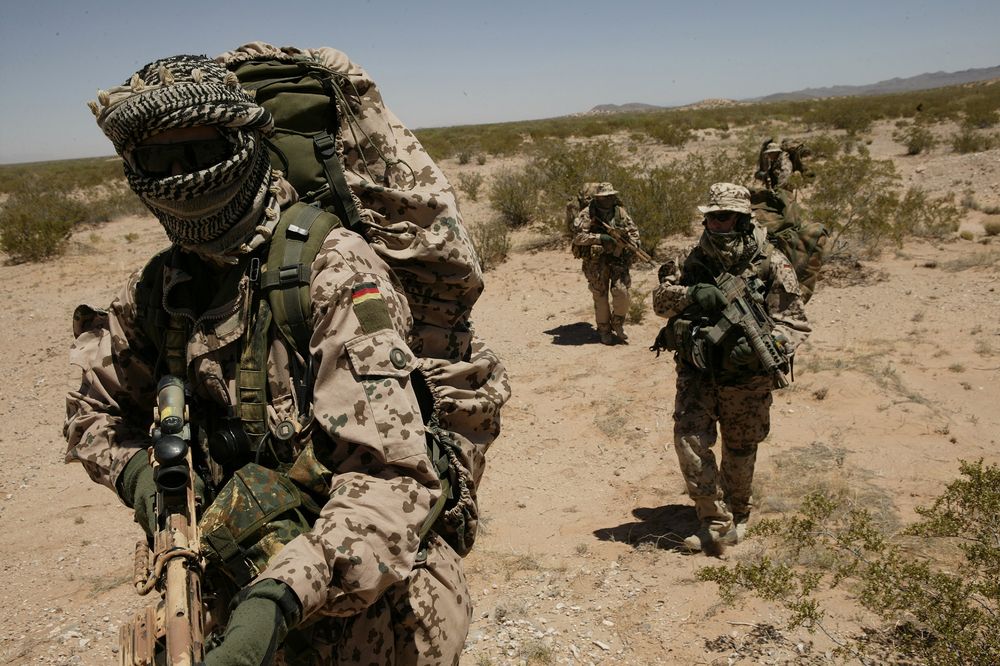
Tropentarn is used on a wide range of Bundeswehr equipment, including:
• Combat uniforms (jackets, trousers, shirts)
• Tactical vests and plate carriers
• Helmet covers and hats
• Backpacks and pouches
Unlike Flecktarn, which is issued for general Bundeswehr use, Tropentarn is reserved for soldiers deployed to desert and dry regions.
Variants and Similar Patterns
Tropentarn has inspired other desert camouflage patterns, and similar designs exist in various NATO and allied forces.
• Multicam Arid – Used by U.S. and British forces, shares similar sand-based color tones.
• Desert MARPAT – U.S. Marine Corps’ digital desert pattern, with smaller pixelated shapes but a comparable palette.
• Desert DPM – Used by the British Army before Multicam, featuring four-color desert tones.
Despite the rise of universal camouflage patterns, Tropentarn remains the Bundeswehr’s primary choice for desert operations, proving its efficacy in real combat environments.