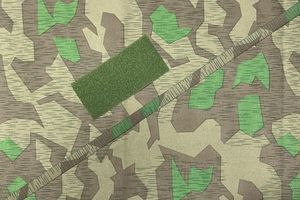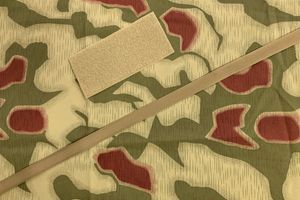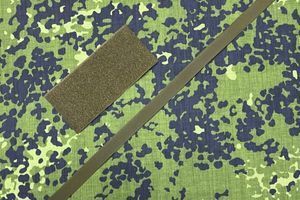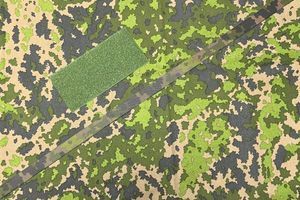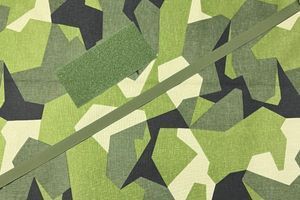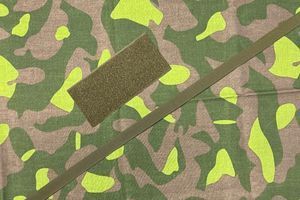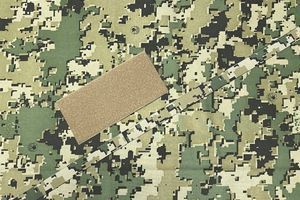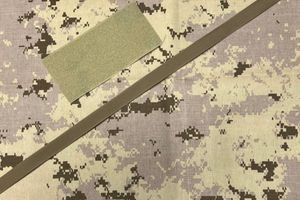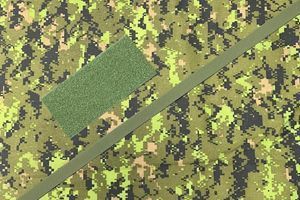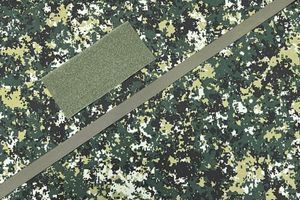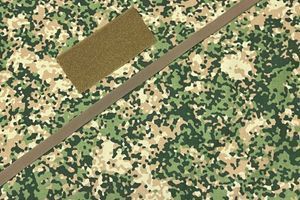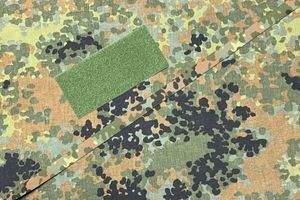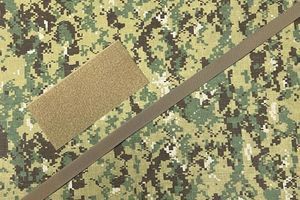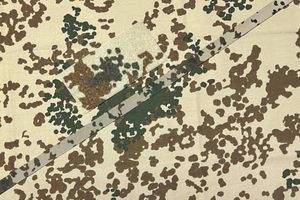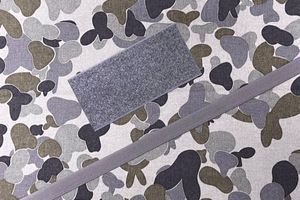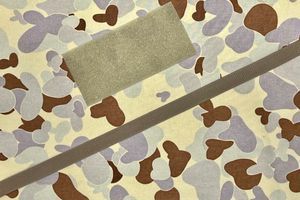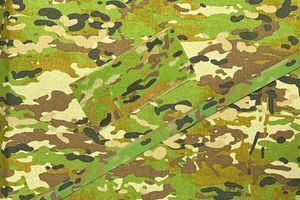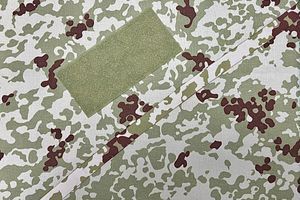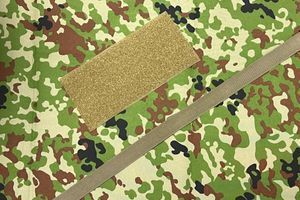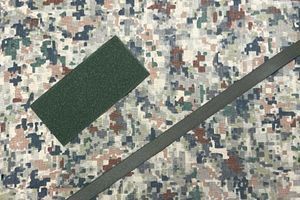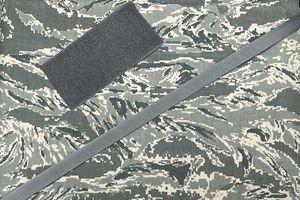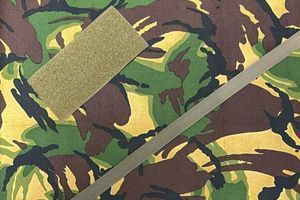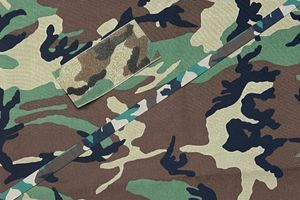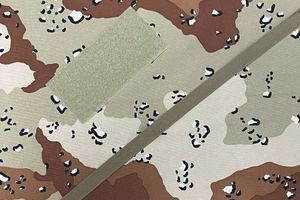

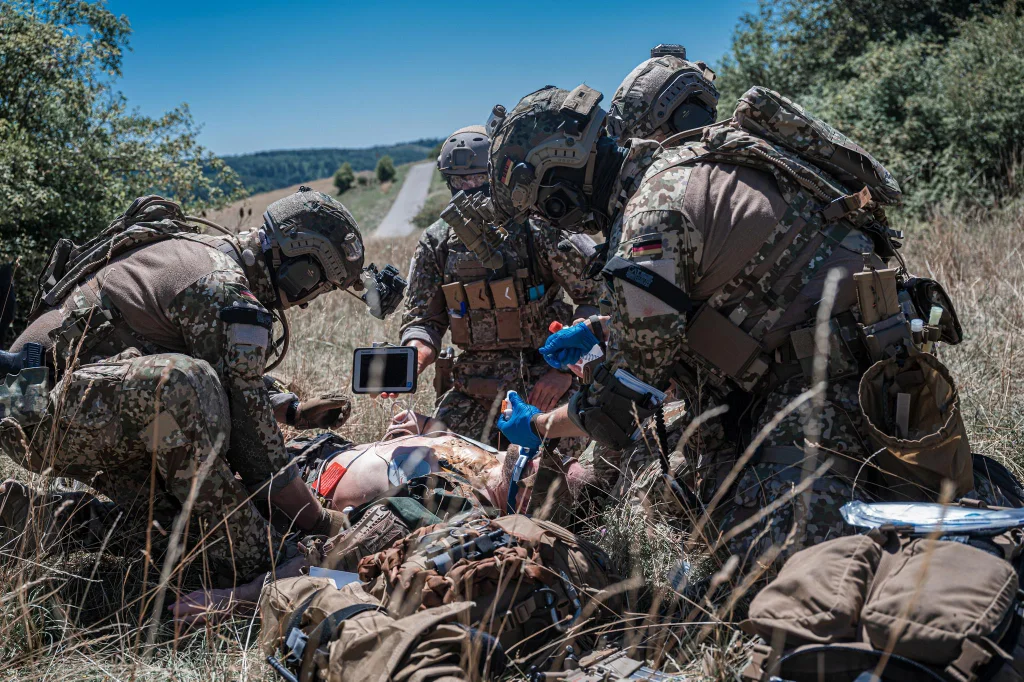
Multitarn is a modern multispectral camouflage designed to adapt to a wide range of environments. It is an evolution of Flecktarn, combining elements of both digital and traditional camouflage to provide high effectiveness in various climates and reduced visibility in visible and infrared spectra.
Multitarn was developed to replace Flecktarn and Tropentarn, offering a universal camouflage solution for modern combat operations, especially in mixed and urban environments.
Development and History of Multitarn
The Multitarn project began in the early 2010s in response to the increasing demand for a camouflage pattern effective across diverse terrains. While Flecktarn and Tropentarn performed well in forests and deserts respectively, they lacked adaptability for mixed environments, such as:
• Transition zones (e.g., between forests and open areas)
• Urban settings combining natural and artificial materials
• Modern military operations, which frequently take place in varying climates
Multitarn’s development was influenced by the Bundeswehr’s operational experience in Afghanistan, where the need for a more versatile camouflage became evident. In 2016, Multitarn was officially introduced and began field testing within special forces units.
Following successful testing, Multitarn started being issued to various Bundeswehr units, gradually replacing Flecktarn in combat and special operations forces.


Design and Features of Multitarn
Multitarn combines the traditional Flecktarn pattern with modern multispectral camouflage technologies.
Key Features of Multitarn:
• Modified Flecktarn Pattern
• Retains the blurred micro-pattern of Flecktarn but with smoother edges and greater variation in spot sizes.
• Ensures effective concealment at different distances, from close-quarters combat to long-range observation.
• Adaptive Color Palette
• Incorporates olive, brown, sand, gray, and green tones, making it effective in:
• Forested environments
• Open landscapes
• Urban settings
• Adapts well to transitional environments, such as fields, forest edges, and rocky areas.
• Optimized for Night Operations
• The pattern reduces visibility in both visible and infrared spectra, making soldiers less detectable to night vision devices.
• Enhanced Materials
• Uses lightweight, breathable fabrics for comfort in hot climates.
• The fabric features increased durability and water resistance.

Multitarn in the Modern Bundeswehr
Multitarn is gradually being introduced to various Bundeswehr units, particularly special forces, airborne troops, and reconnaissance units.
Operational Deployment:
• Afghanistan
• Tested by special forces units, where it demonstrated high effectiveness in mixed landscapes, including cities, deserts, and mountainous regions.
• NATO Exercises in Europe
• Performed well in forested areas, training grounds, and urban environments, confirming its versatility.
• Mali and Central Africa
• Used in peacekeeping missions, providing camouflage for savannas, dry plains, and dense vegetation.
• Urban Warfare Operations
• Designed to be effective in built-up areas, a crucial factor for modern hybrid warfare scenarios.
Multitarn Gear and Equipment
The new camouflage pattern is applied to a variety of military gear and uniforms:
• Combat uniforms (jackets, trousers, shirts)
• Tactical vests and body armor
• Backpacks, pouches, and weapon covers
• Helmets and headgear
Due to its adaptability and advanced technology, Multitarn is gradually replacing Flecktarn in certain units, particularly where a universal camouflage solution is required for diverse operational environments.

Comparison with Other Camouflage Patterns
Multitarn shares similarities with modern multispectral camouflage patterns used by other nations:
• Multicam (USA, NATO)
• Used by the US Army and allied forces, featuring a similar color palette and multifunctional capability.
• MTP (UK)
• Developed as a universal camouflage for the British military, blending green and desert tones.
• Pencott Greenzone / Badlands
• Used by special forces in Europe and the US, offering detailed textures and high adaptability.
While Multitarn has not yet become the Bundeswehr’s standard camouflage, its implementation is expanding, and it may eventually replace Flecktarn as the primary camouflage for German forces.