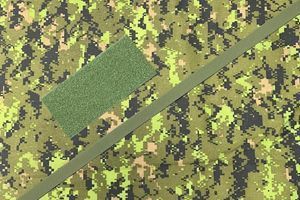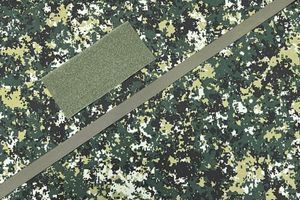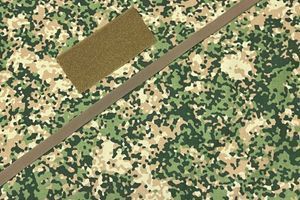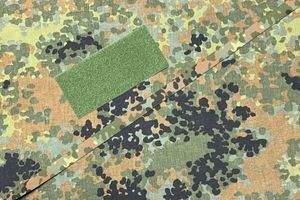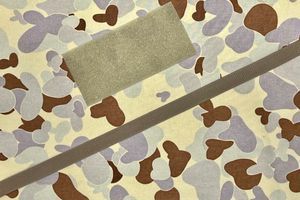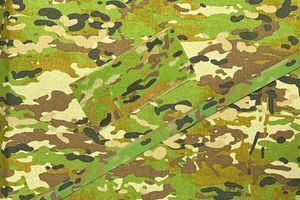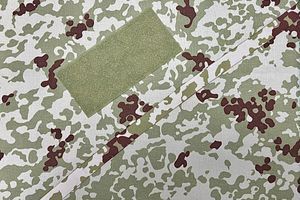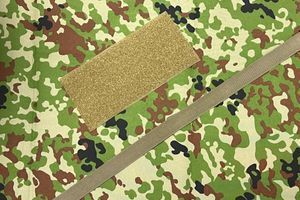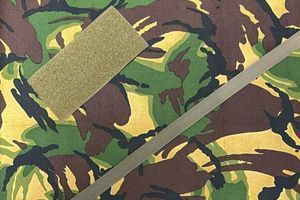
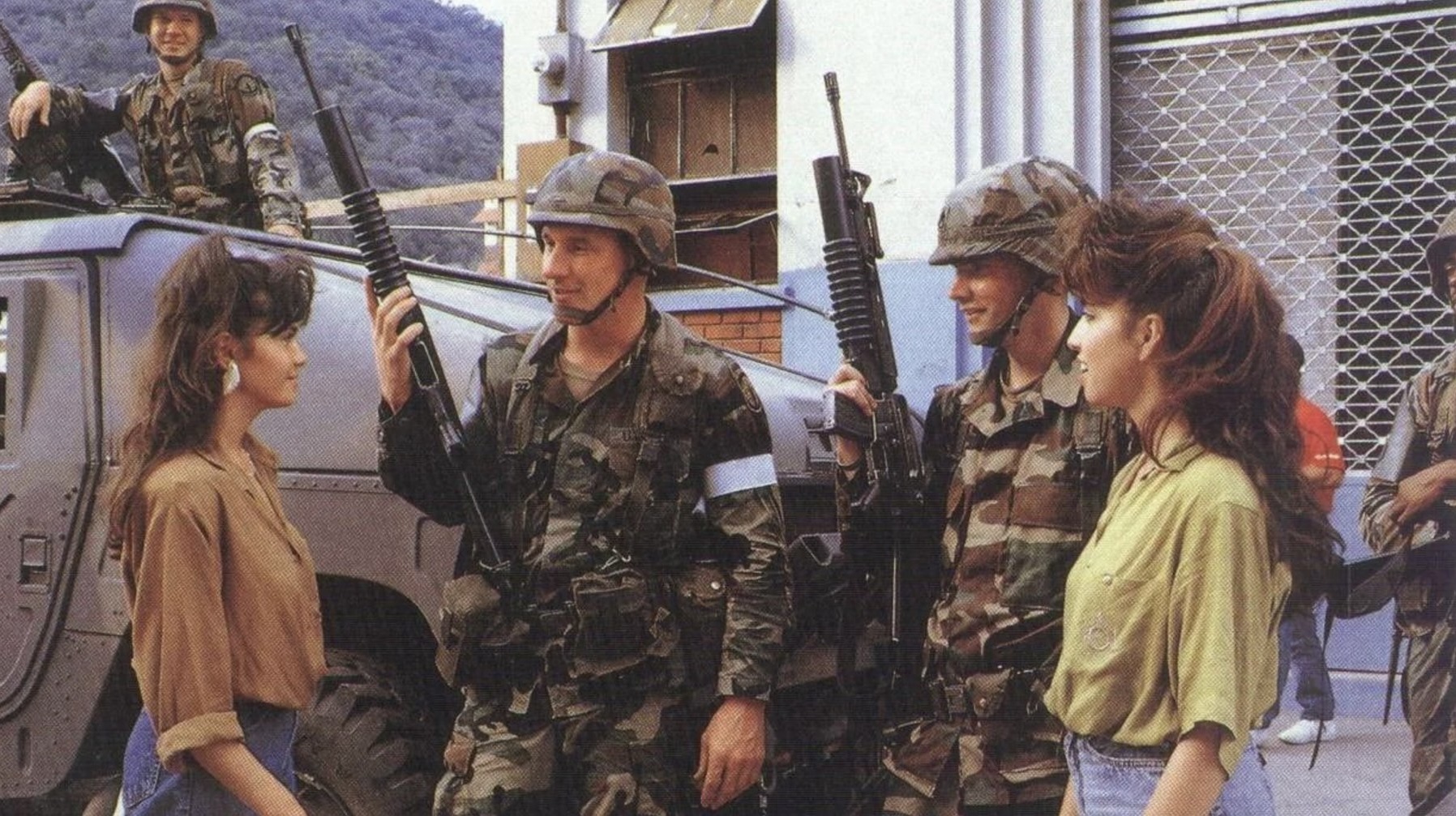
Woodland (M81 Woodland) is one of the most recognizable and widely used camouflage patterns in the world. Its distinctive mix of green, brown, black, and tan splotches became synonymous with military uniforms in the late 20th century. Originally developed for the U.S. military, it was later adopted by dozens of countries and found extensive use in special forces, law enforcement, and even civilian applications.
But how did Woodland come to be, why did it gain such widespread popularity, and what impact has it left on military history and popular culture? Let’s dive in.
Development and Implementation
Woodland was derived from an earlier camouflage pattern known as ERDL (Engineer Research & Development Laboratory), which was developed in 1948 for the U.S. military. ERDL featured a similar color palette but with smaller and more intricate splotches. Initially, it was used by special forces during the Vietnam War, but it wasn’t ideal for large-scale deployment.
In the 1970s, the U.S. military decided to modify ERDL by enlarging the pattern by 60%, making it more effective at concealing soldiers at greater distances. This updated version, named Woodland, became the standard camouflage for the U.S. Armed Forces in 1981.


Design and Features
Woodland was designed for use in forested, temperate, and tropical environments, with its colors carefully chosen to blend into natural surroundings:
• Dark Green – Mimics dense foliage and tree canopies.
• Olive Green – Blends with grass and moss.
• Brown – Resembles tree trunks and dry earth.
• Black – Creates the illusion of shadows and depth.
What set Woodland apart was its versatility—it worked across a variety of landscapes, from dense forests and jungle terrain to mountainous regions, making it an effective all-purpose camouflage.
Combat and Military Use
After its official adoption in 1981, Woodland quickly became the primary camouflage for U.S. military forces, including the Army, Marine Corps, and special units. It was used in numerous conflicts, such as:
• Invasion of Grenada (1983) – The first major combat deployment of Woodland.
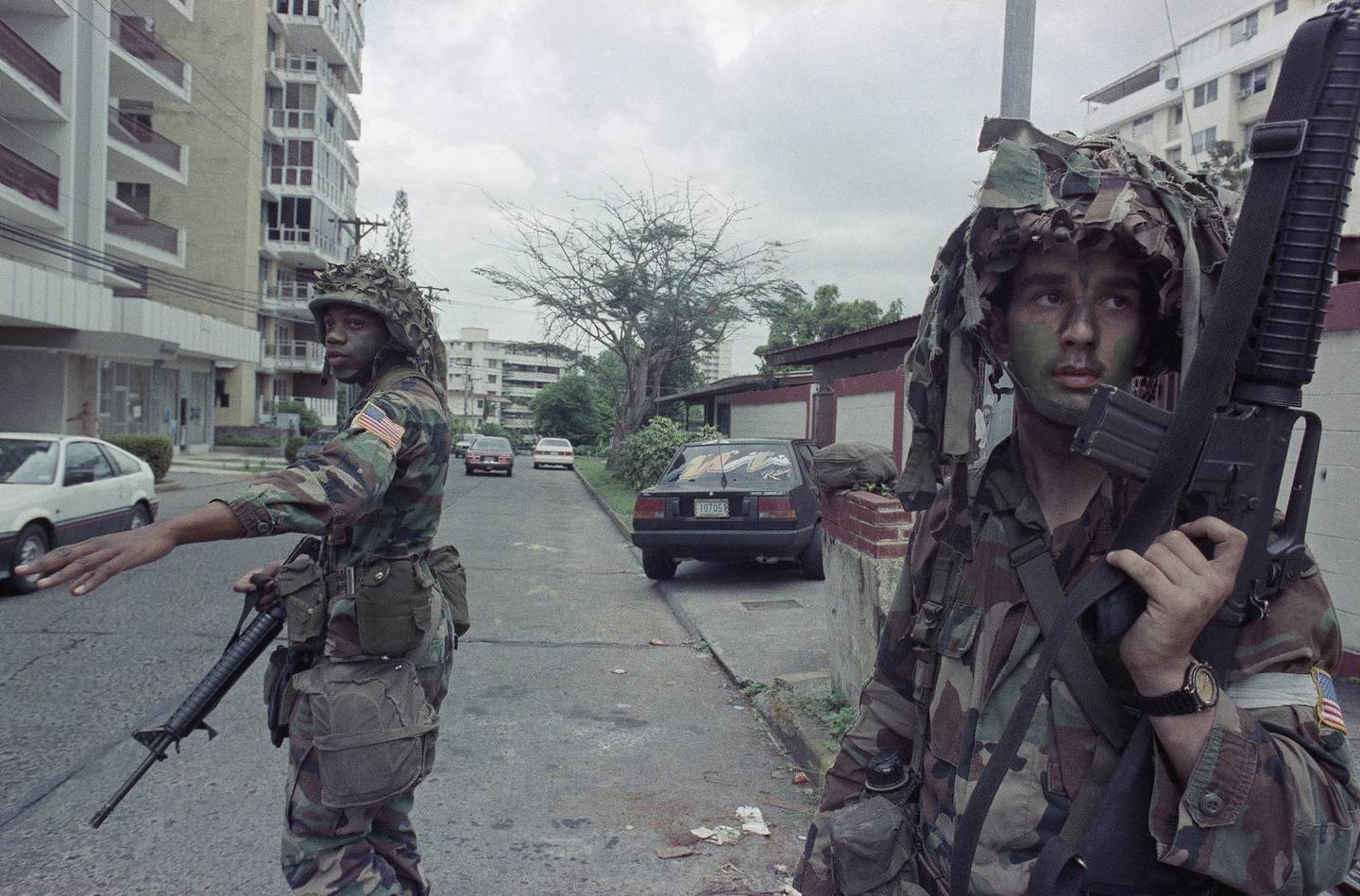
• Invasion of Panama (1989) – Proved effective in both jungle and urban environments.
• Gulf War (1990-1991) – Although desert camouflage (Chocolate Chip) was more suitable, some U.S. forces still wore Woodland.
• Balkan Conflicts (1990s) – U.S. and NATO forces wore Woodland in Bosnia, Kosovo, and other regions.
By the 1990s, Woodland had become one of the most widely used camouflage patterns in the world, adopted by over 60 countries, including NATO members, Latin American militaries, and African and Asian armed forces.

International Adoption
Due to its effectiveness and accessibility, Woodland was embraced by militaries worldwide:
• NATO Countries – Nations like France, Germany, Spain, and Canada used their own variations of Woodland.
• Eastern Europe – After the collapse of the Soviet Union, many former Warsaw Pact nations switched to NATO-compatible patterns, including Woodland.
• Latin America – Countries like Colombia, Mexico, and Brazil used Woodland in anti-cartel and counterinsurgency operations.
• Africa & the Middle East – Many governments received Woodland as military aid or produced their own copies.


Influence on Pop Culture
Beyond the battlefield, Woodland became an icon of military aesthetics in the 1980s and 1990s, thanks to its frequent appearances in:
• Movies & TV Shows – Seen in Predator (1987), Black Hawk Down (2001), Rambo, and other action films.
• Video Games – Featured in Call of Duty, Medal of Honor, Battlefield, Ghost Recon, Metal Gear Solid, and many more.
• Fashion & Streetwear – Military-style clothing became trendy in the 1990s and 2000s, with brands like Supreme, Carhartt, and BAPE incorporating Woodland into their collections.
• Private Military & Law Enforcement – Many police units, SWAT teams, and private security firms continue to use Woodland.
Why Was Woodland Replaced?
Despite its popularity, Woodland had some limitations:
• Less effective in urban environments – The pattern wasn’t designed for city combat.
• Outdated macro-pattern – The enlarged splotches worked well from a distance but were less effective at close range.
• Shift to digital camouflage – In the 2000s, the U.S. military transitioned to MARPAT (for the Marine Corps) and UCP (Universal Camouflage Pattern for the Army), which offered better adaptability across different environments.
USP:

MARPAT: