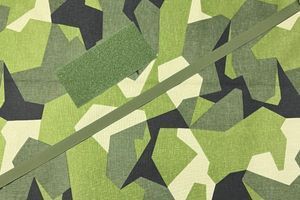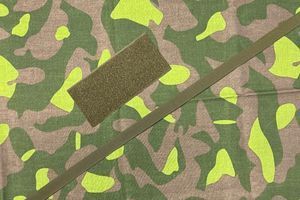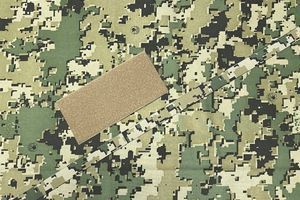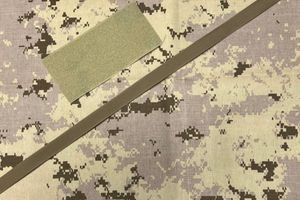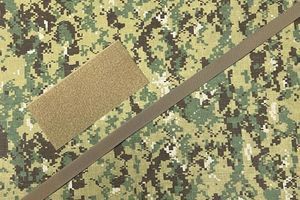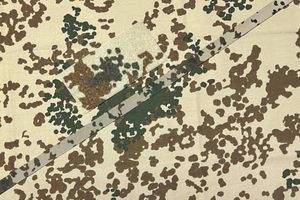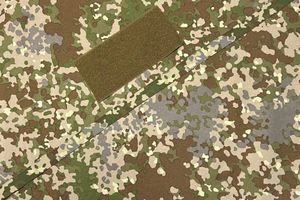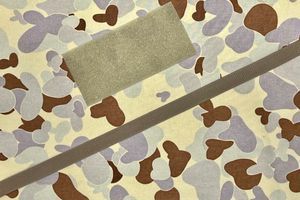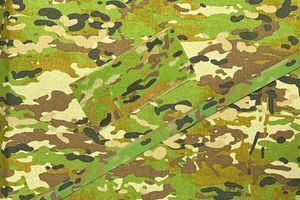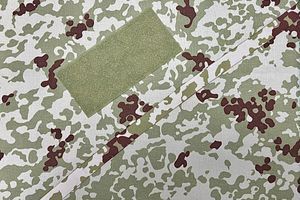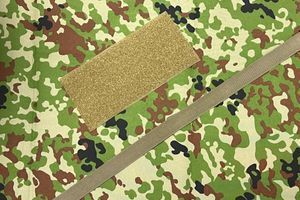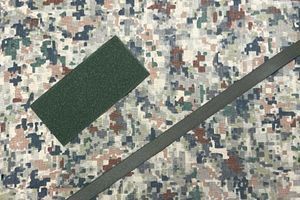

The Disruptive Pattern Navy Uniform (DPNU) is a specialized variant of the Disruptive Pattern Camouflage Uniform (DPCU), designed for the Royal Australian Navy (RAN). It was developed to enhance functionality and camouflage in maritime and coastal operations.
DPNU replaced the traditional dark blue naval uniform, which had been in use for decades. The new camouflage provided better visibility in emergencies, improved comfort for long-term wear, and enhanced protection in case of onboard accidents.
The Need for DPNU
By the early 2000s, the Australian Navy was still using a traditional dark blue uniform, which had several drawbacks:
• Poor visibility if fallen overboard – dark clothing made it harder to spot sailors in open water.
• Low functionality – the old uniform was less practical for prolonged wear.
• Outdated design – many global navies were shifting towards more functional camouflage solutions.
To address these issues, development of a new naval camouflage began in the mid-2000s, tailored for the needs of ship crews, port personnel, and naval infantry.
The DPNU was officially introduced in 2008, and by 2010, it became the standard uniform of the RAN.
DPNU Design and Features
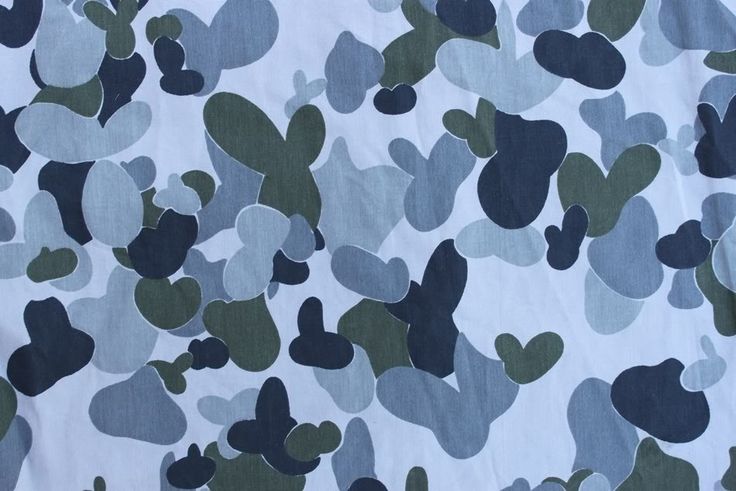
DPNU was created specifically for naval environments, making its camouflage pattern distinct from land-based DPCU variants.
Key Features of DPNU:
• Color scheme optimized for shipboard and coastal settings:
• Light grey – mimicking the metallic hull of ships.
• Dark grey – blending with urban and port infrastructure.
• Blue-grey – matching oceanic and coastal surroundings.
• Black – adding contrast to disrupt the silhouette.
Pattern structure:
• The DPNU features an irregular, blotchy design, similar to DPCU but adapted to naval landscapes.
• Unlike traditional naval uniforms, it avoids solid dark blue, which improves visibility in emergency situations.
• Provides moderate shipboard visibility and effective camouflage in coastal settings.
• Fabric and construction:
• Made from fire-resistant material, enhancing protection in case of onboard fires.
• Features reinforced stitching and additional pockets, making it durable and functional.
• Optimized for long-term wear in humid and hot maritime climates.
DPNU Functionality
DPNU was designed not just as camouflage but as a practical and safety-oriented naval uniform.
Key Advantages of DPNU:
• Improved shipboard safety
• Constructed from flame-resistant fabric, which is crucial for fire-related hazards.
• The color scheme helps maintain visibility in low-light conditions.
• Effective for coastal and urban operations
• Unlike the traditional dark blue uniform, DPNU allows better concealment in port areas, docks, and coastal cities.
• Enhanced comfort and practicality
• Designed for long-term wear in hot and humid conditions.
• Features anatomical tailoring and extra storage pockets for tools and gear.
• Compliance with international standards
• Similar to other NATO naval camouflage patterns, but uniquely tailored for RAN requirements.
DPNU in Operations
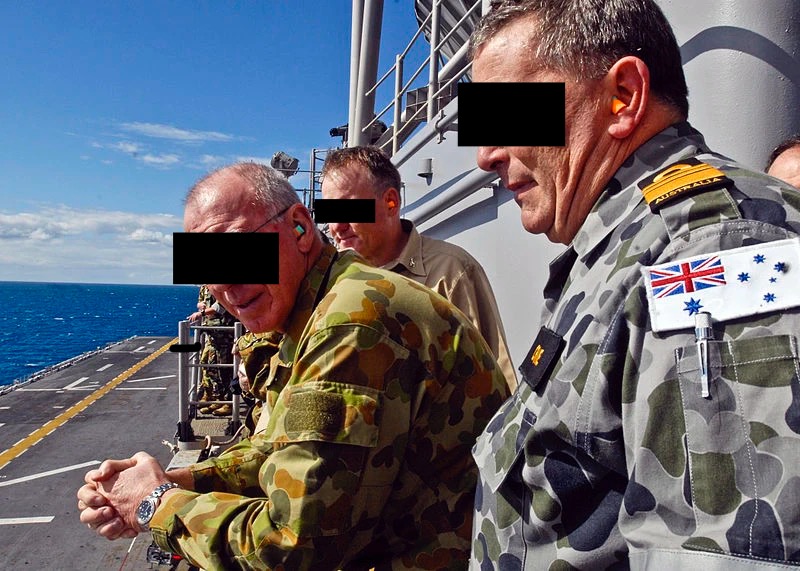
DPNU became the standard uniform for the Royal Australian Navy, used in various operational contexts:
• Aboard warships and submarines
• Including destroyers, frigates, and amphibious assault ships.
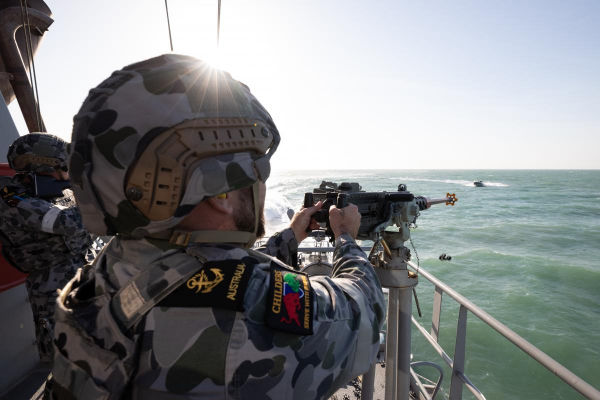
• In operations across the Pacific and Indian Oceans
• Used in patrols, anti-piracy missions, and humanitarian deployments.
• During joint exercises with the US and UK
• DPNU was part of the uniform setup in international naval drills.
How DPNU Differs from Other Naval Camouflage Patterns
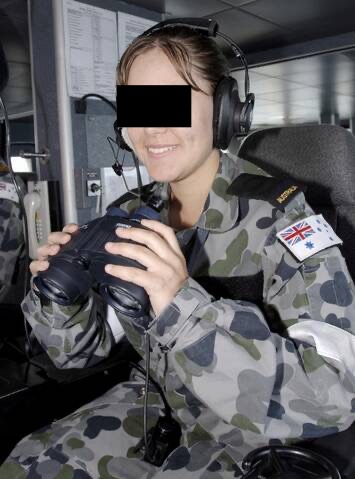
• Unique color palette – most naval camouflages use solid dark blue or black, whereas DPNU incorporates grey and blue shades for better shipboard concealment.
• Signature Australian design – retains the blotchy pattern of DPCU, but with colors adapted for naval settings.
• Increased safety focus – the fabric is fire-resistant, ensuring better protection in shipboard emergencies.
.jpg)
DPNU Replacement and Legacy
Despite its effectiveness, DPNU began to be phased out in 2016, as the Australian Navy transitioned to a new camouflage – the Maritime Multicam Pattern (MMP), which is more versatile and technologically advanced.
MMP: