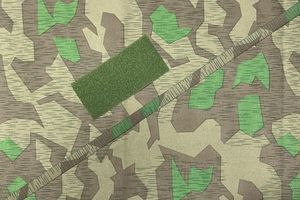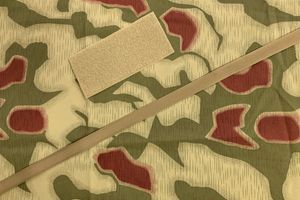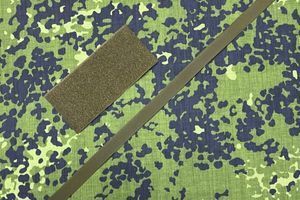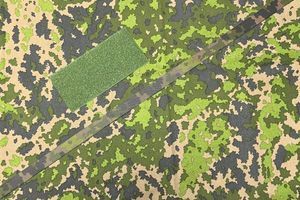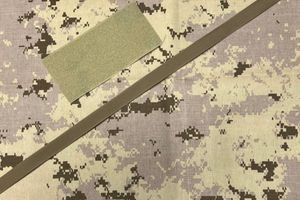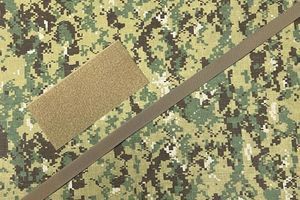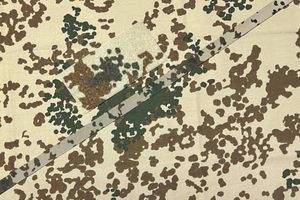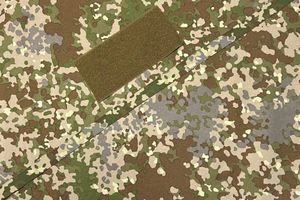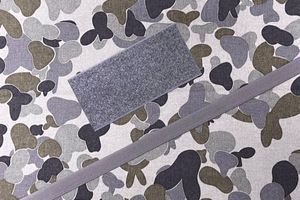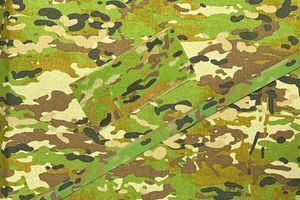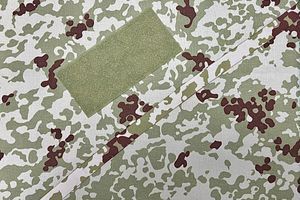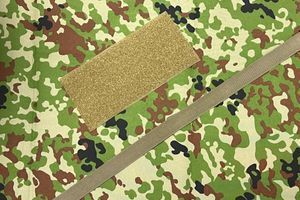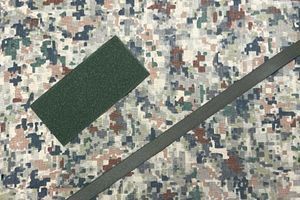
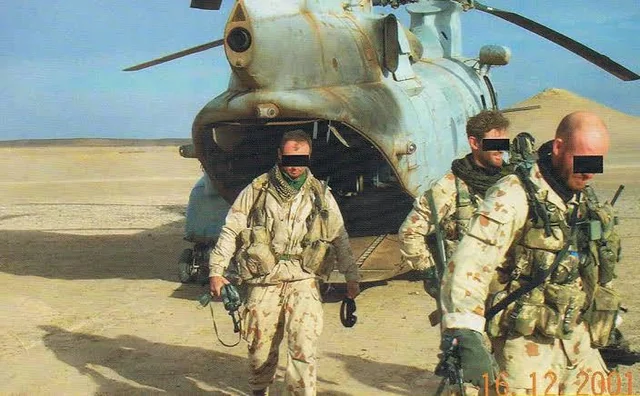
The Disruptive Pattern Desert Uniform (DPDU) is the desert variant of Australia’s Disruptive Pattern Camouflage Uniform (DPCU). It was specifically designed for operations in arid and semi-arid regions, providing effective concealment in desert, rocky, and dry environments. DPDU was widely used by the Australian Defence Force (ADF) during deployments in the Middle East, particularly in Iraq and Afghanistan.
History of Development
The need for a desert camouflage became evident when the Australian military began participating in operations in dry and sandy environments, such as peacekeeping missions in the Middle East. The DPCU, while highly effective in Australia’s bushland and forested areas, did not provide adequate concealment in desert conditions.
In response, the Australian Army began developing a new desert camouflage in the late 1990s, conducting field tests to find the optimal color scheme for sand, rock, and dry vegetation. The first official version of DPDU was introduced in 2001, just in time for Australia’s involvement in the War on Terror.
Unlike many Western nations that adopted three-color or digital desert camouflage, Australia opted for a unique pattern that retained the signature rounded “blob” design of DPCU but adjusted the colors for desert warfare.
Features of the Pattern and Color Scheme
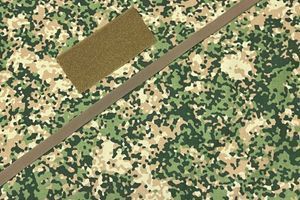
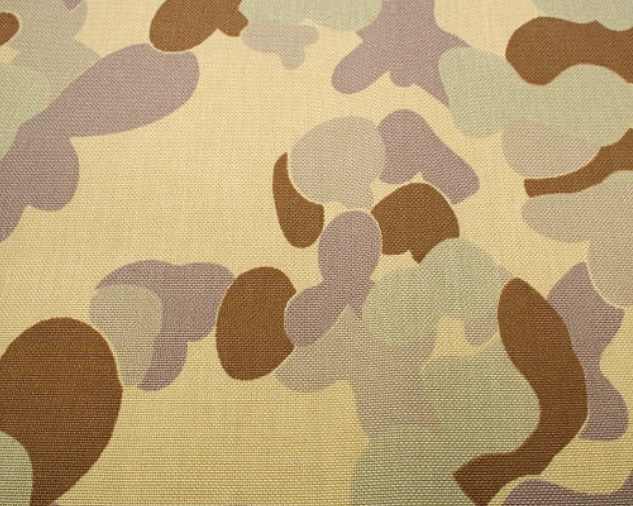
DPDU is instantly recognizable due to its distinctive mix of light and dark desert tones, which allow soldiers to blend into sandy, rocky, and dry terrain.
Key features of the DPDU pattern:
• Colors: DPDU uses a palette designed for desert warfare, including:
• Light tan (beige/sand) – blends with dry sand and open plains.
• Brown (earthy tone) – matches rock formations and dry soil.
• Grayish-green (muted olive) – mimics sparse desert vegetation.
• Dark brown (rust-like tone) – breaks up outlines and mimics shadows.
Pattern Structure:
• Rounded, irregular shapes similar to DPCU but adapted for arid terrain.
• Soft transitions between colors to create a natural blending effect.
• Designed to break up the human silhouette in both open deserts and urban environments.
While the pattern itself remained consistent, multiple color variations were tested and issued over the years to better match different desert landscapes.
Use in Combat Operations
DPDU saw extensive use in Australian military operations, particularly in:
• The Iraq War (2003–2009):
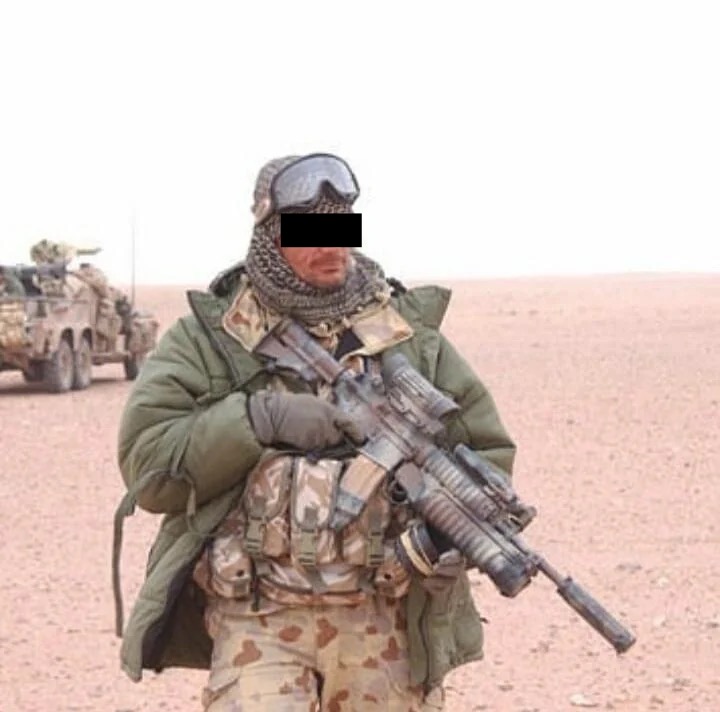
• Australian soldiers deployed in Baghdad, Al Muthanna, and other desert regions wore DPDU to blend into sand and urban environments.
• The War in Afghanistan (2001–2021):
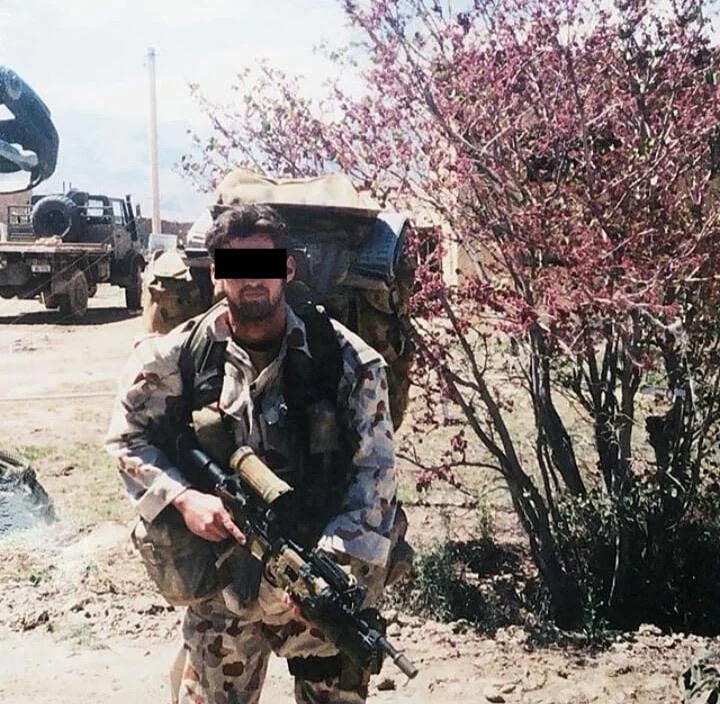
• Used in Kandahar, Uruzgan, and Helmand provinces, where troops operated in mountainous and semi-arid landscapes.
• United Nations peacekeeping missions:
• Used in some deployments to Africa and the Middle East, where desert-like conditions were present.
Despite its strong performance, DPDU was gradually phased out in favor of the Australian Multicam Pattern (AMP), which provided better adaptability across multiple environments.
What Makes DPDU Unique?
Several features set DPDU apart from other desert camouflage patterns used by different nations:
• Retains the iconic “blob” pattern of DPCU – Unlike other countries that use digital or geometric patterns, DPDU maintains irregular organic shapes, making it instantly recognizable.
• Specifically designed for Australian deployments – Unlike the U.S. three-color desert camouflage or British Desert DPM, DPDU was tailored to Australia’s operational needs, ensuring better concealment in Middle Eastern terrain.
• Limited availability – Unlike Multicam, which is widely used by different nations, DPDU was exclusive to the Australian military, making it rare and highly sought after by collectors and enthusiasts.


Influence on Culture and Tactical Fashion
Due to its unique design and association with Australia’s military operations, DPDU has gained popularity outside of active service:
• Airsoft and Military Enthusiasts: Many airsoft and military simulation (MilSim) players in Australia and beyond favor DPDU for its historical value and unique look.
• Tactical Gear & Civilian Use: Some backpacks, jackets, and military surplus gear featuring DPDU have become collector’s items.
• Video Games & Media: DPDU has appeared in military-themed video games and documentaries, further solidifying its place in modern military history.