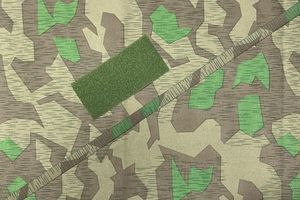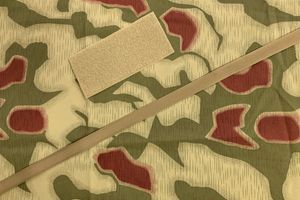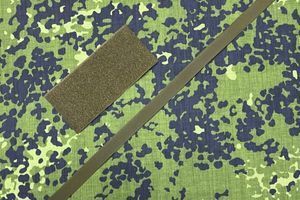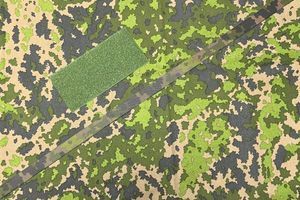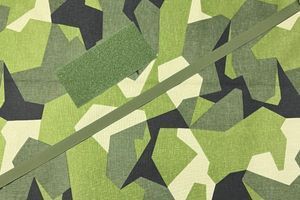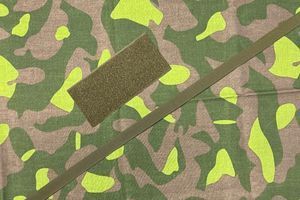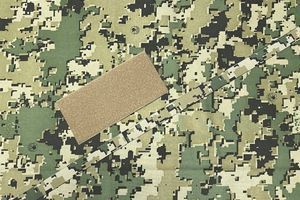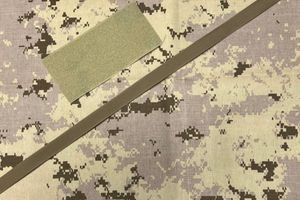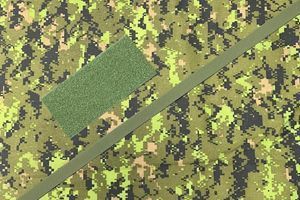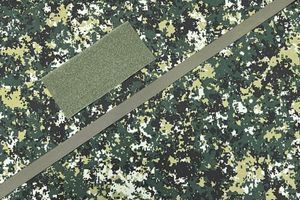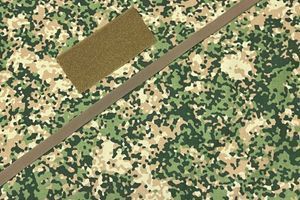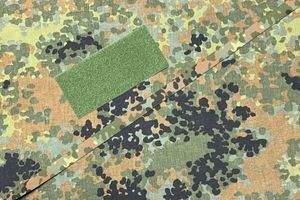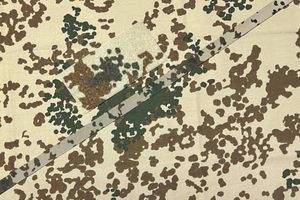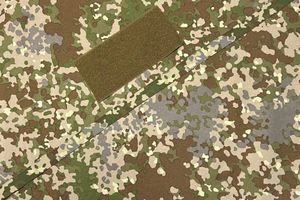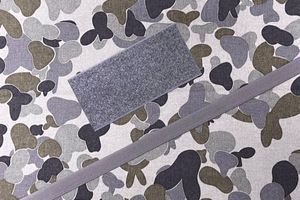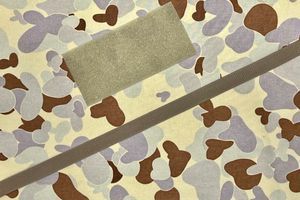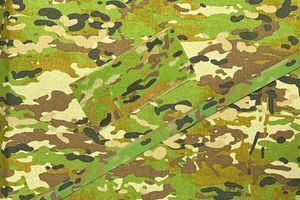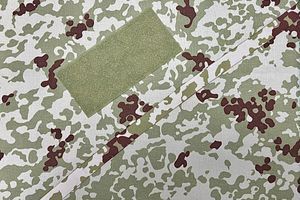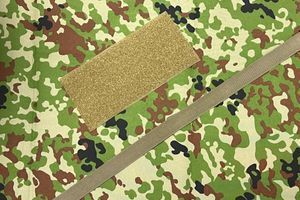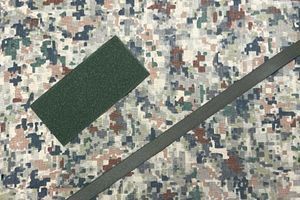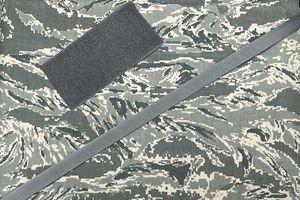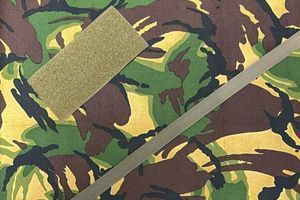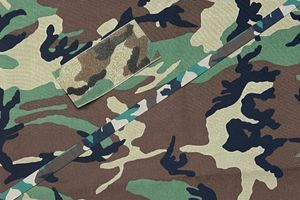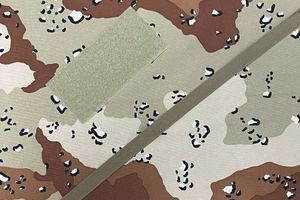
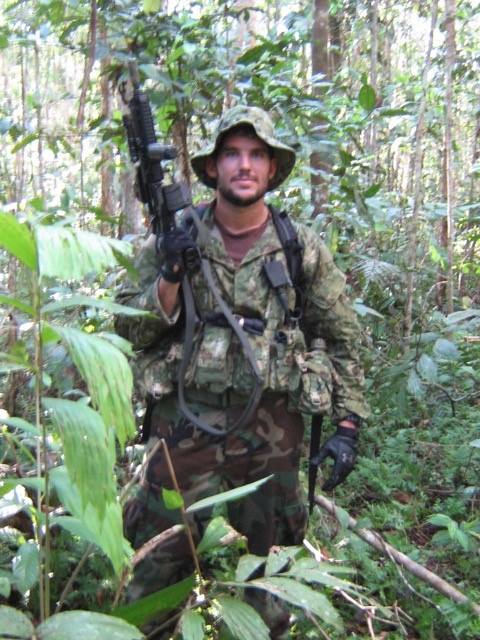
DG 3, is a prototype camouflage developed for the needs of the U.S. Navy. This camouflage was created with the purpose of enhancing concealment during operations in various environments, including forests, urban areas, and coastal terrains, particularly in regions similar to tropical and temperate forests. Although DG 3 was never officially adopted as a standard camouflage for the U.S. Armed Forces, its development perfectly illustrates the trend towards adapting new technologies and materials to meet the camouflage needs of modern military forces.
Development and Purpose
DG 3 was developed as part of a larger initiative to improve military camouflage, initiated by the U.S. Navy in the early 2000s. As the U.S. Army worked to replace older camouflage patterns (such as M81 Woodland), newer patterns needed to meet the demands of modern combat, especially in more urbanized environments and on varied terrains. One of the key aspects of DG 3’s development was the use of a digital design, which was meant to improve concealment at both close and long ranges.
Design and Colors
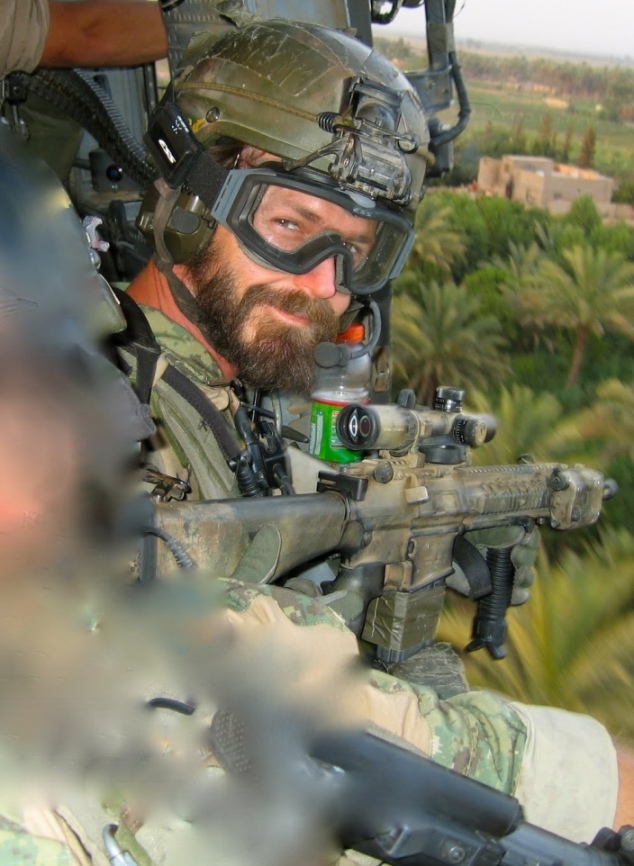
DG 3 features a characteristic digital camouflage pattern, similar to other modern military patterns such as U.S. Army’s UCP. The pattern combines colors that provide effective concealment in both forested and coastal environments. It includes:
• Dark green and light green tones — for camouflage in forested areas.
• Brown and sand colors — to adapt to coastal and dry conditions.
• Gray and black spots — to break up the soldier’s silhouette at long ranges and reduce visibility.
These colors help soldiers blend into environments where the landscape may vary throughout the course of an operation.
Technology and Functionality
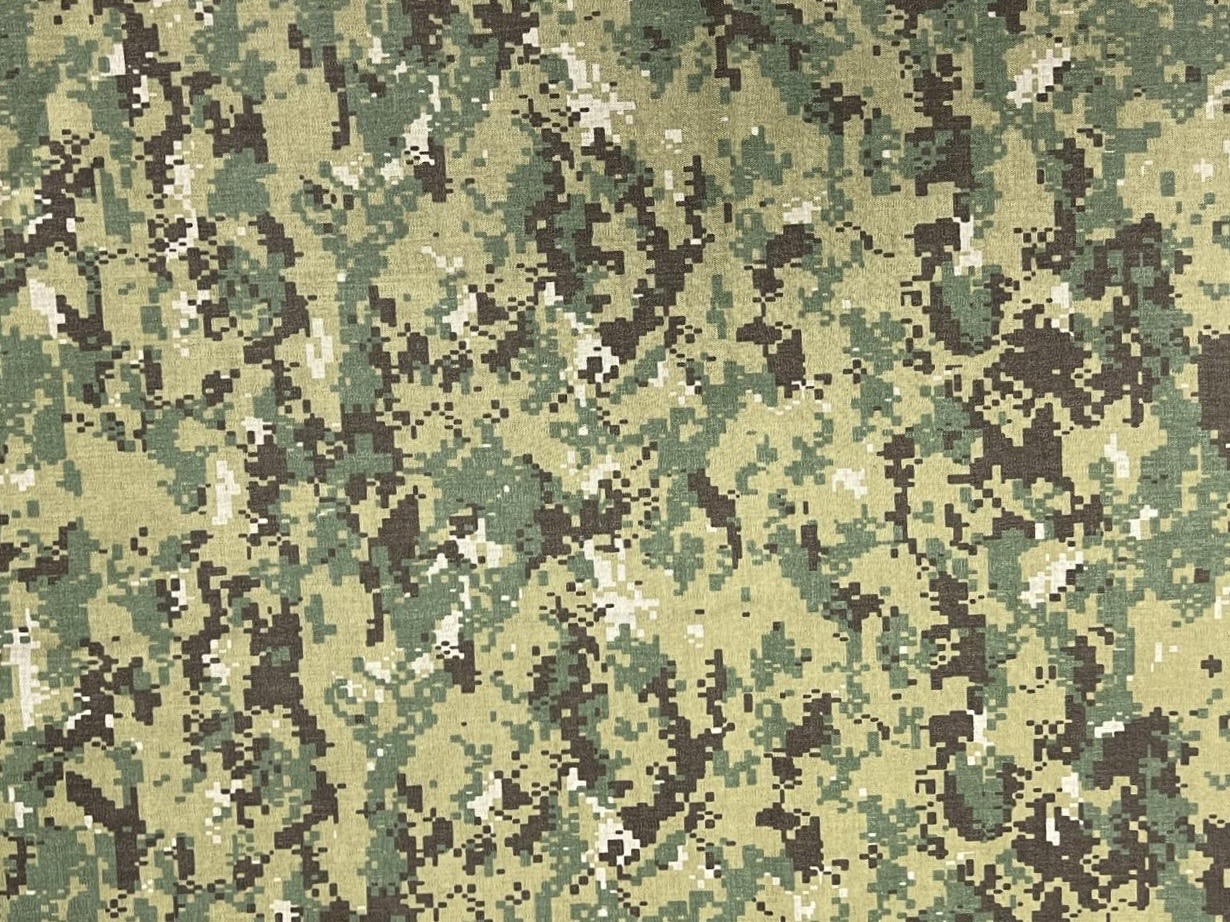
DG 3 prototype utilizes digital technology, allowing for enhanced effectiveness at various distances. The pixelated design makes it more difficult to detect silhouettes in conditions where traditional camouflage patterns may be less effective.
The uniform made with this pattern is constructed from modern, breathable, and lightweight fabrics. It allows soldiers to remain comfortable in high humidity and temperature conditions, typical of many coastal and tropical regions. Additionally, the fabric is treated to improve moisture wicking and provide protection from ultraviolet rays.
Limited Use and Impact
Although DG 3 was never officially adopted as a standard camouflage by the U.S. Armed Forces, it had a significant impact on future camouflage development. Its innovative digital design and use of cutting-edge technology inspired the refinement of other camouflage patterns, including more modern variations currently used by the U.S. Armed Forces, such as AOR 1 and AOR 2, as well as specialized camouflage for different operational environments.
While this prototype was used only in limited quantities, it demonstrated the potential of new technologies in military camouflage and laid the groundwork for further innovations in military concealment.