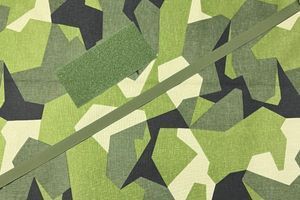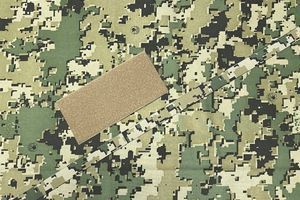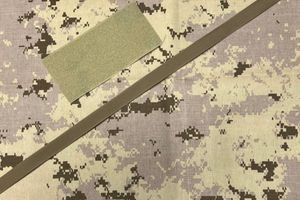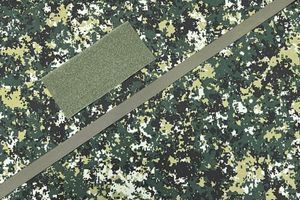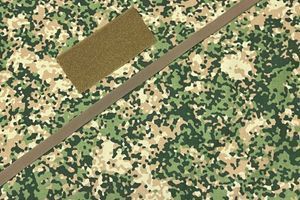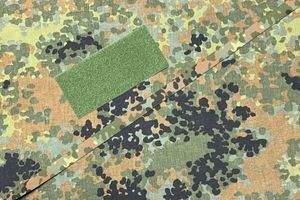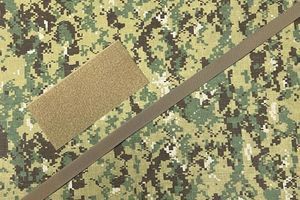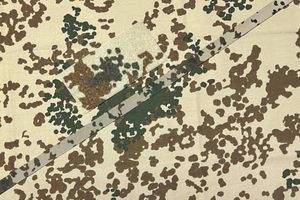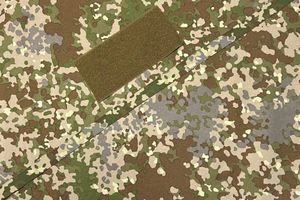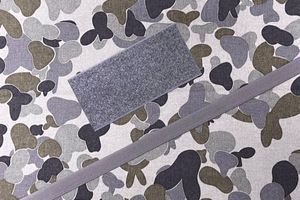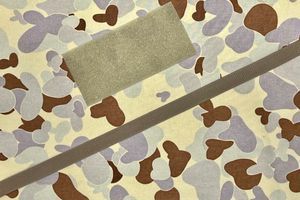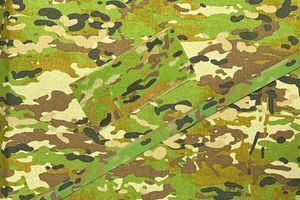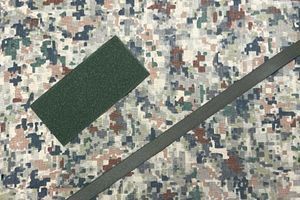

CADPAT TW (Canadian Disruptive Pattern – Temperate Woodland) is the primary camouflage pattern of the Canadian Armed Forces, specifically designed for operations in temperate forested environments. Developed in the late 1990s, CADPAT TW was one of the world’s first digital camouflage patterns and has significantly influenced modern military concealment techniques.
Development and Purpose
CADPAT TW was developed by the Canadian military to improve soldier concealment in the dense forests and mixed landscapes of Canada. The pattern was officially introduced in 2002 as part of the Integrated Soldier System Program (ISSP), aiming to provide enhanced camouflage effectiveness compared to traditional analog patterns.

Pattern and Colors
CADPAT TW features a pixelated digital design, which helps break up a soldier’s silhouette at various distances. The pattern consists of four primary colors:
• Light Green – to mimic grass and fresh foliage.
• Dark Green – to blend with deeper vegetation and shaded areas.
• Brown – to replicate tree bark and soil.
• Black – for additional contrast and shadow simulation.
This combination ensures high adaptability to woodland and mixed environments, making it difficult to detect soldiers both up close and from a distance.

Technological Features
CADPAT TW was among the first military camouflage patterns designed with near-infrared (NIR) protection, reducing visibility under night vision devices. This feature helps Canadian troops remain undetected in both daylight and nighttime operations.
Another key advantage is the digital fractal design, which minimizes the recognition of shapes and movement, making it superior to traditional camouflage in breaking up a soldier’s outline.

Influence and Variants
CADPAT TW’s success led to the development of other CADPAT variants for different environments:
• CADPAT AR (Arid Regions) – optimized for desert and dry landscapes.
• CADPAT WO (Winter Operations) – designed for snowy conditions.
• CADPAT MT (Multi-Terrain) – a modern version adapted for a wider range of environments.
The introduction of CADPAT inspired the creation of numerous digital camouflage systems worldwide, including MARPAT (U.S.), SCEPTRE (UK), and others, marking a significant advancement in military concealment technology.