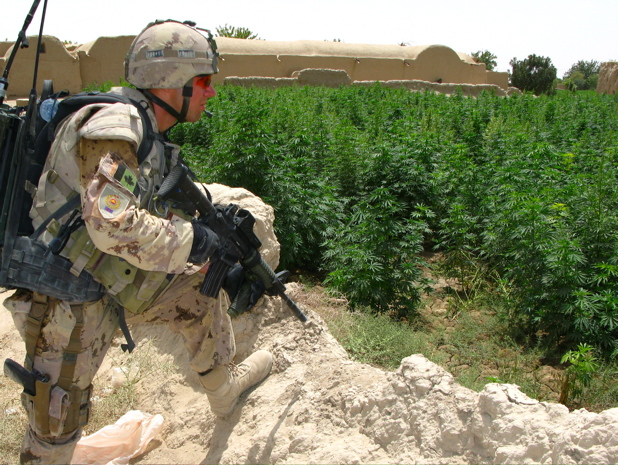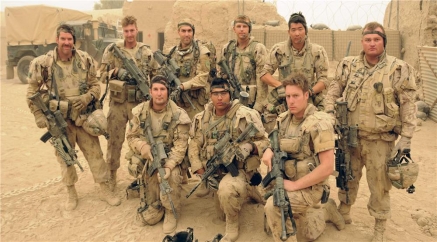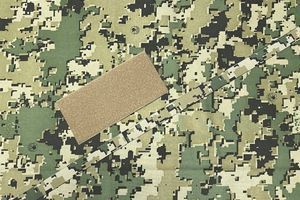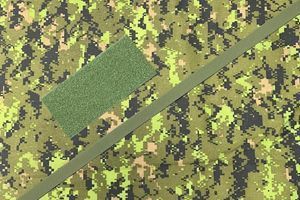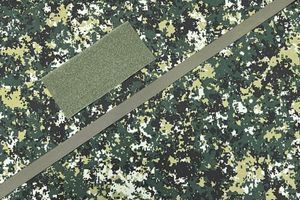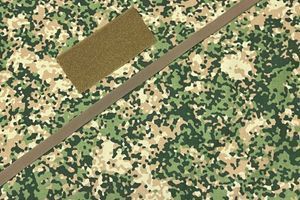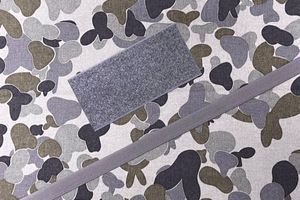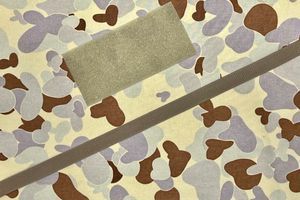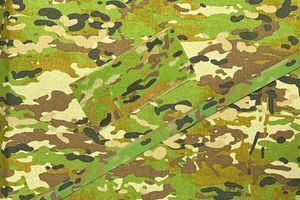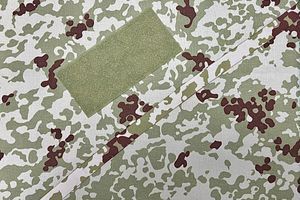

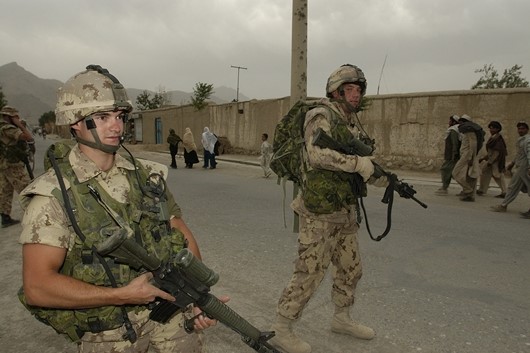
CADPAT AR (Canadian Disruptive Pattern – Arid Regions) is the desert variant of the Canadian Armed Forces camouflage pattern, designed for use in arid and semi-arid environments. It is an adaptation of the standard CADPAT TW, optimized for effective concealment in sandy, rocky, and open landscapes.
Development and Implementation
The CADPAT AR camouflage was developed in the 2000s in response to Canada’s growing need for military uniforms suited to operations in desert regions, particularly in Afghanistan. It was tested and refined to minimize soldier visibility in open terrain, where shadow contrasts are minimal and backgrounds predominantly feature light tones.
Design and Colors
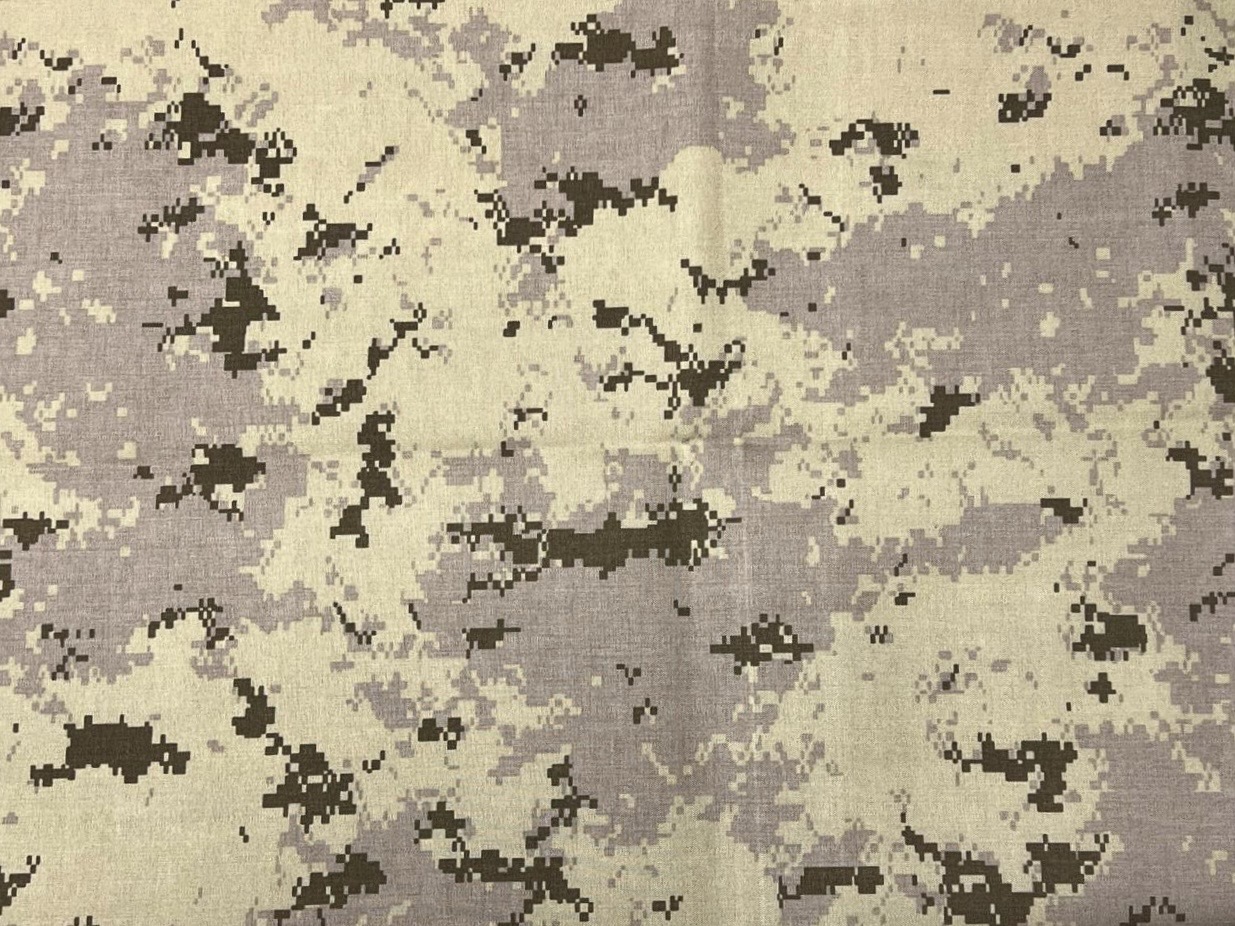
CADPAT AR retains the digital fractal structure that effectively disrupts the soldier’s outline at various distances. Its color palette consists of three primary shades:
• Light beige – to blend with sandy dunes and open terrain.
• Dark beige – to match rocky and gravel surfaces.
• Brown – to simulate dry vegetation and shadows.
This combination allows the pattern to provide effective camouflage in dry environments, reducing the risk of detection both during the day and at night.
Technological Features
Like its woodland counterpart, CADPAT AR includes near-infrared (NIR) protection, making it harder to detect with night vision equipment. Additionally, the digital pattern minimizes the “edge effect” – a phenomenon where traditional camouflage becomes visible due to sharp color transitions.
The fabrics used in CADPAT AR uniforms are designed for high breathability and thermal regulation, making them comfortable to wear in extreme heat.
Usage and Influence
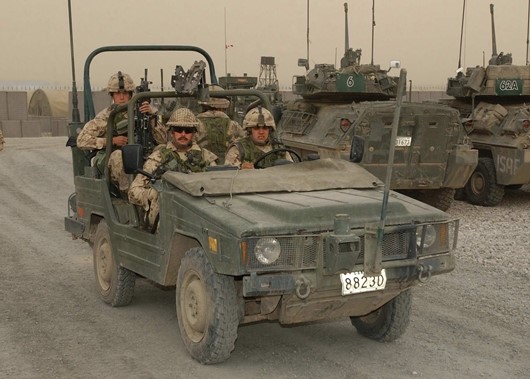
CADPAT AR was widely used during the deployment of Canadian forces in Afghanistan, where it significantly improved concealment in desert environments. After its successful implementation, this camouflage became a standard issue for Canadian troops operating in dry and semi-arid regions.
Its effectiveness influenced the development of other digital desert camouflage patterns, including the U.S. MARPAT Desert and the British Multi-Terrain Pattern (MTP), highlighting its impact on modern military camouflage designs.